Furniture
Furniture shapes a room more than any decor. Here you’ll find buying advice, measurements and ideas for sofas, armchairs, shelves, tables and sideboards – plus tips on combining furniture and refreshing old pieces.
Design:Lighting planning & atmosphereColors & wall designMaterials, textiles & feelCarpets
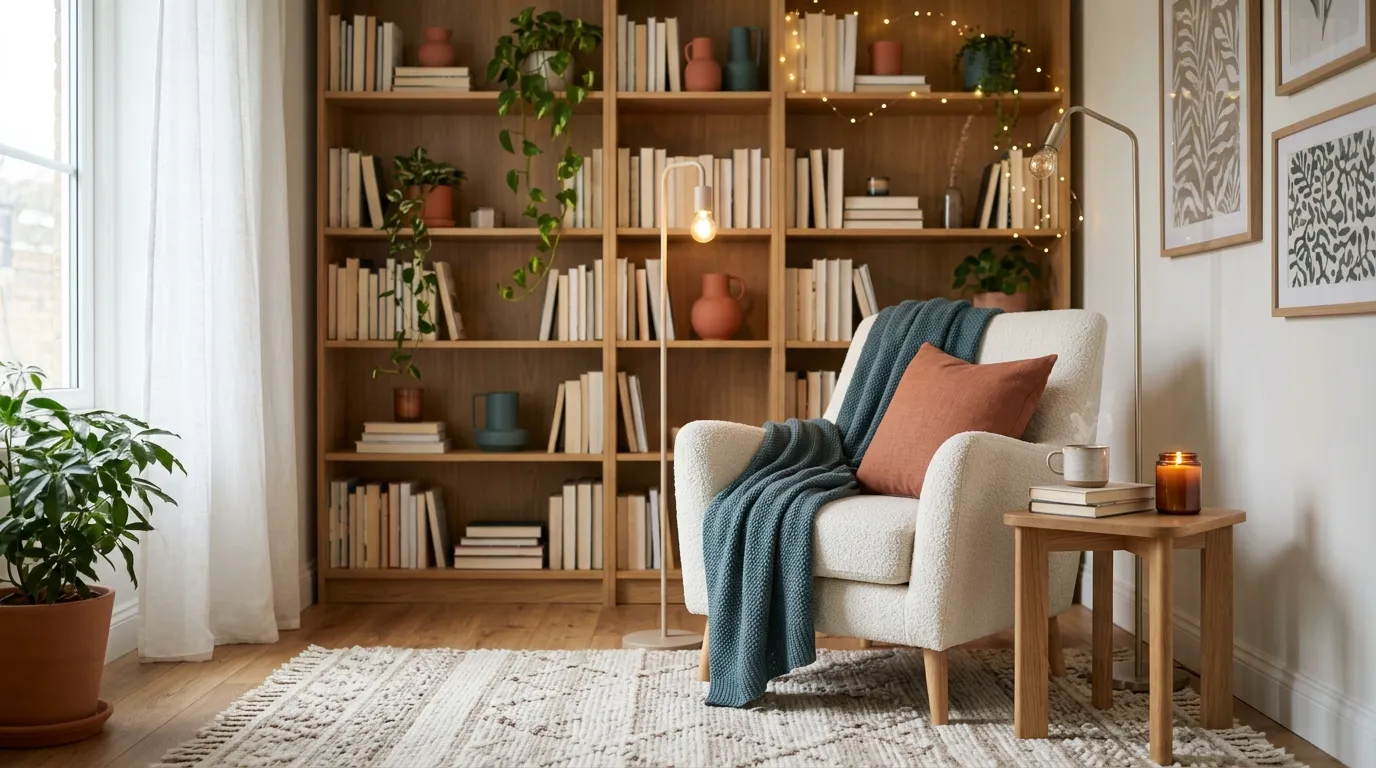
Creating a Reading Nook: Armchair, Light and Shelf
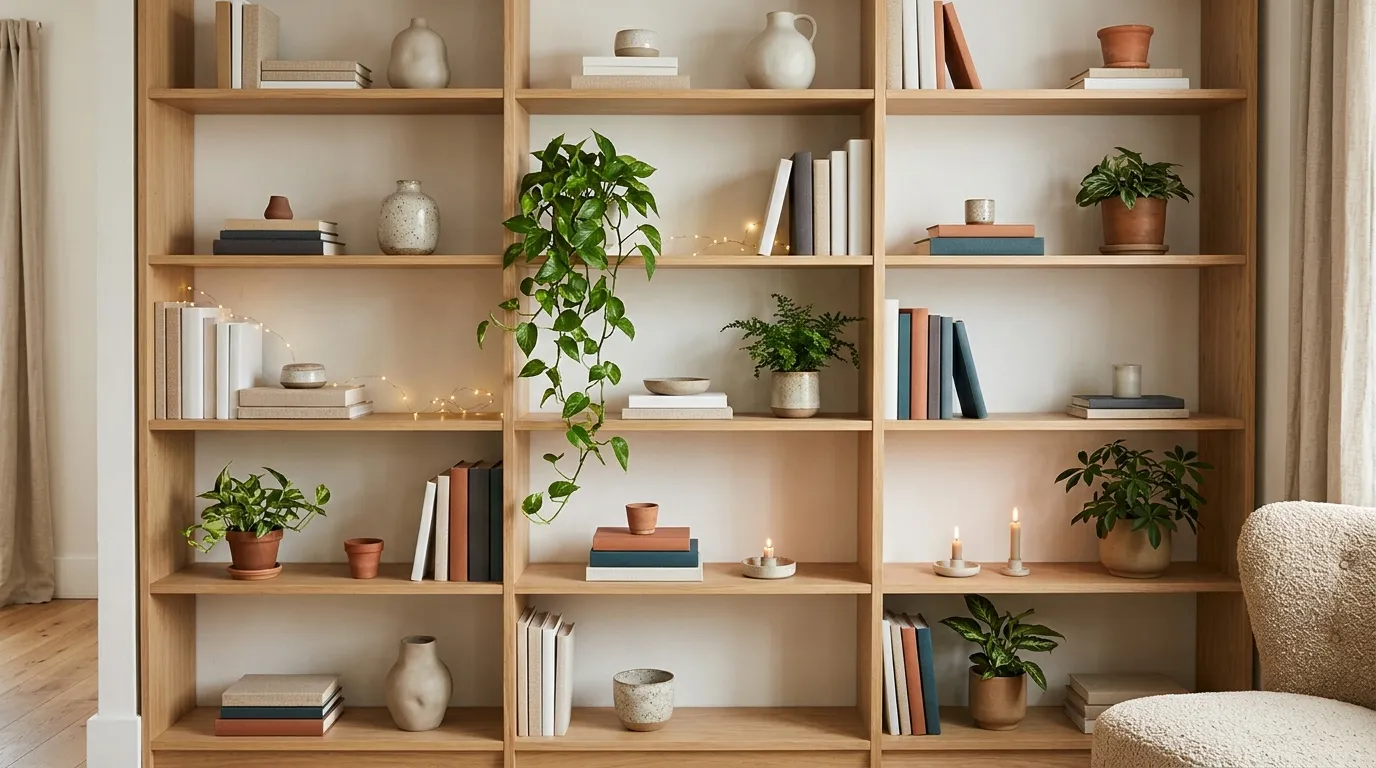
How to Style a Bookshelf: Books, Objects and Space
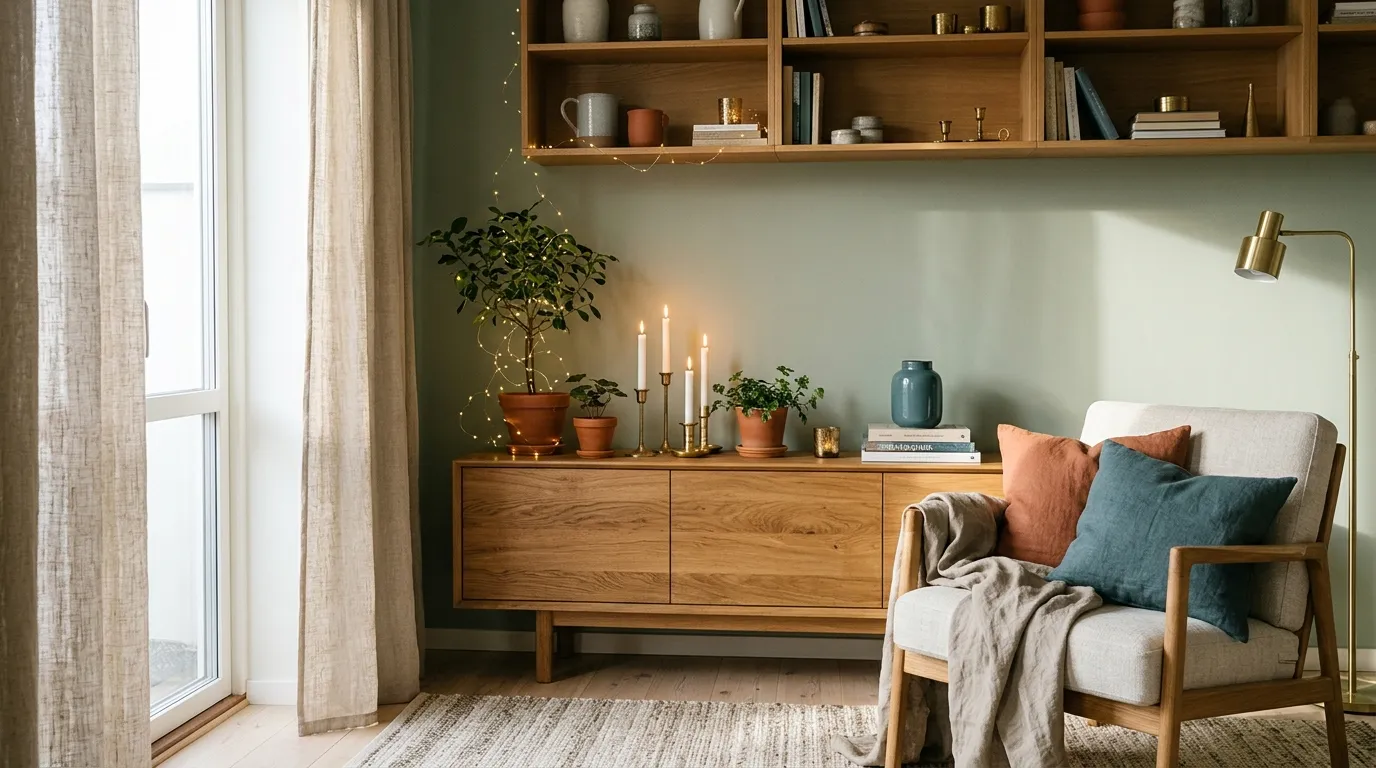
How to Combine Sage Green: Walls, Furniture and Textiles
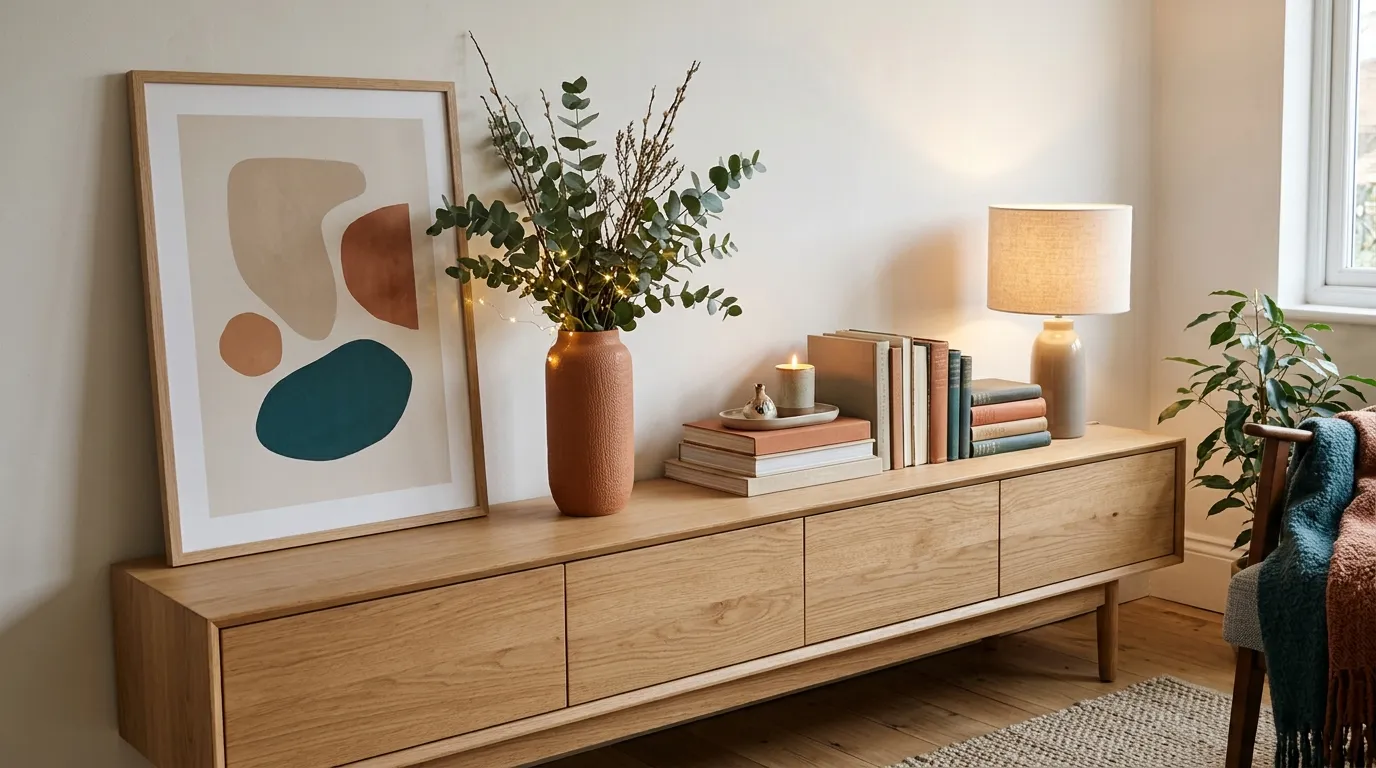
How to Style a Sideboard: A Formula for Every Season

Creative Decor Ideas for Balcony and Terrace with Furniture: How to Make It Cozy!
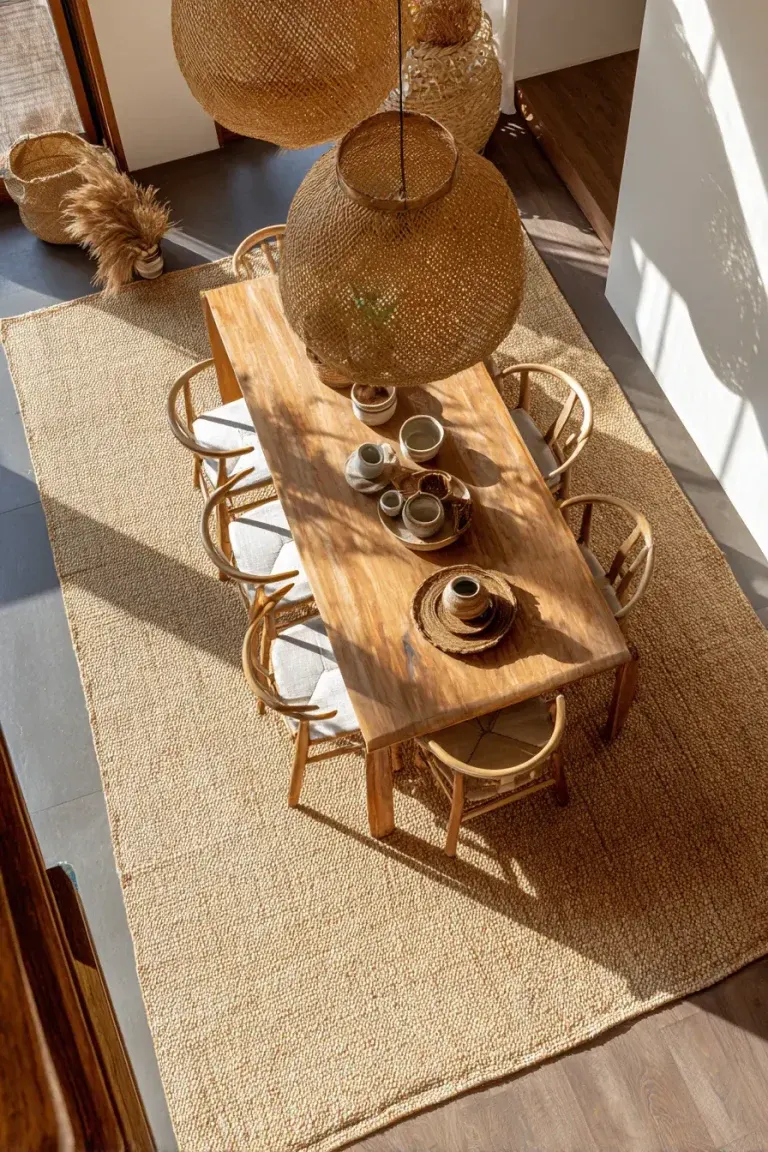
Rug Size Guide: Which Dimensions Fit Under Your Sofa and Dining Table?
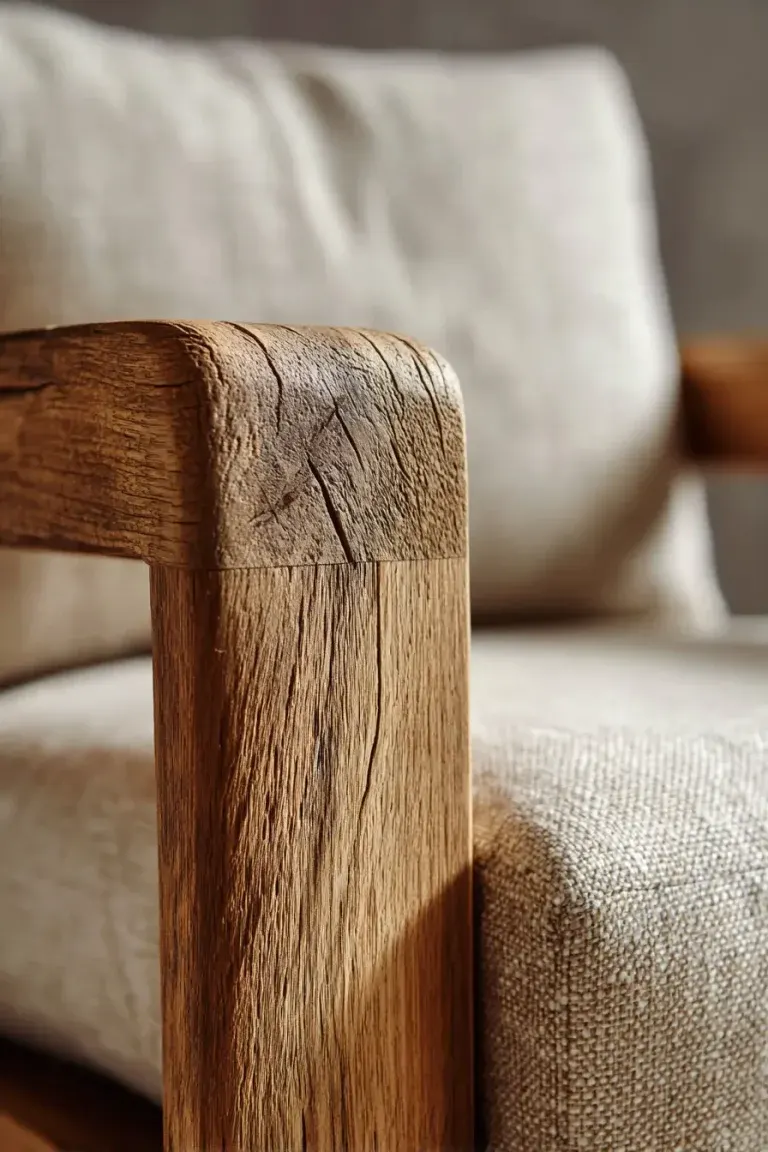
Sustainable Interior Design: What to Look for in Furniture Eco-Labels
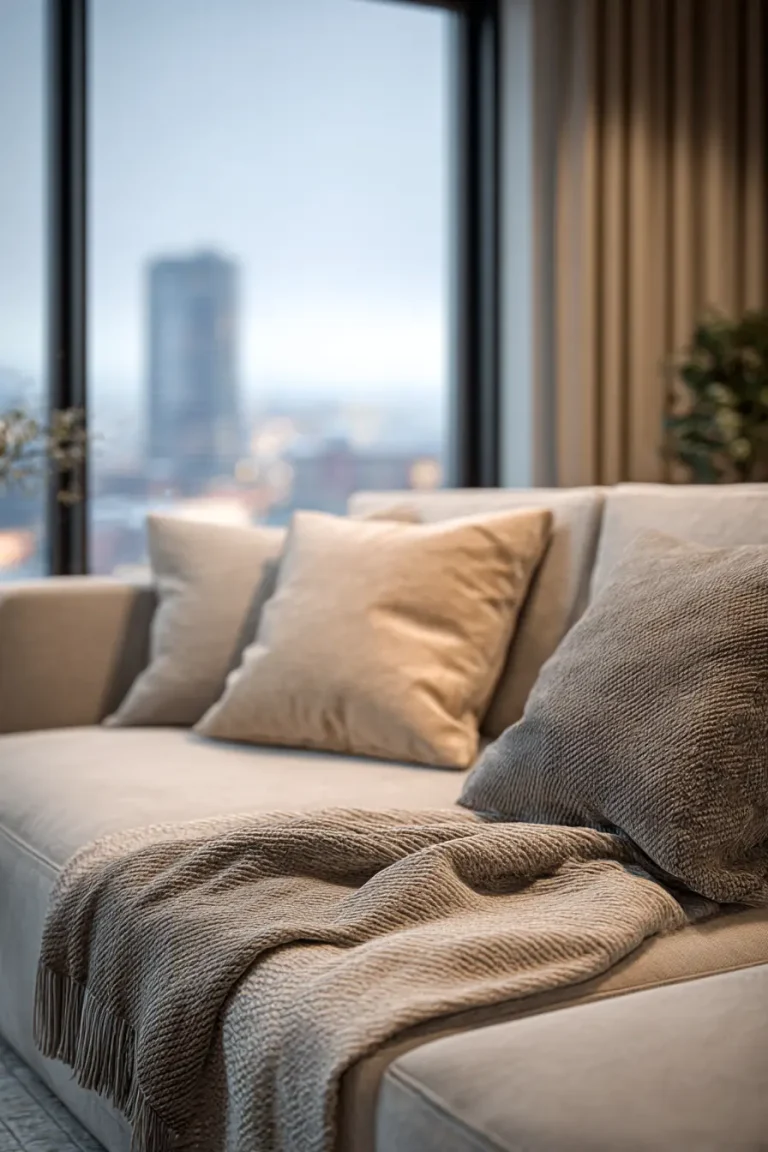
Multifunctional Furniture: The Ultimate Guide to Sofa Beds and Folding Tables
Plan first, then buy
The most expensive mistakes happen when furniture doesn’t fit the room. Before you buy:
- Measure: the room, doors, stairwell and lift – the sofa has to get in too.
- Mark it with masking tape: tape the footprint on the floor and live with it for a few days.
- Keep walkways clear: at least 80 to 90 centimetres between pieces.
- Mind proportions: a large sofa needs a large rug; a small room needs slim furniture on legs.
The complete guide is in furnishing a living room step by step.
The sofa
The sofa is usually the biggest investment. What matters: seat depth (55–60 cm for sitting upright, 65 cm and more for lounging), seat height (42–46 cm), a removable, washable cover and a sturdy frame. Testing is worth it – at least ten minutes. If you often have guests, consider a sofa bed: more in our guide to multifunctional furniture and in a guest bed without a guest room.
Shelves, sideboards and tables
- Shelves: open ones look light but need upkeep – ideas in styling a bookcase.
- Sideboard: storage and stage in one – see styling a sideboard.
- Coffee table: about two thirds of the sofa’s length, 40–45 cm high – decor tips in styling a coffee table.
- Dining table: allow about 60 cm of width per person.
Combining furniture
Not everything has to come from one range – on the contrary, a mix looks more personal. To keep it coherent:
- Two or three wood tones at most in a room.
- A connecting element: the same metal finish, recurring shapes or colours.
- Mix old and new: an heirloom next to modern furniture stands out – see vintage style.
- Large pieces calm, small pieces bold: a neutral sofa can take a colourful armchair.
Refresh rather than replace
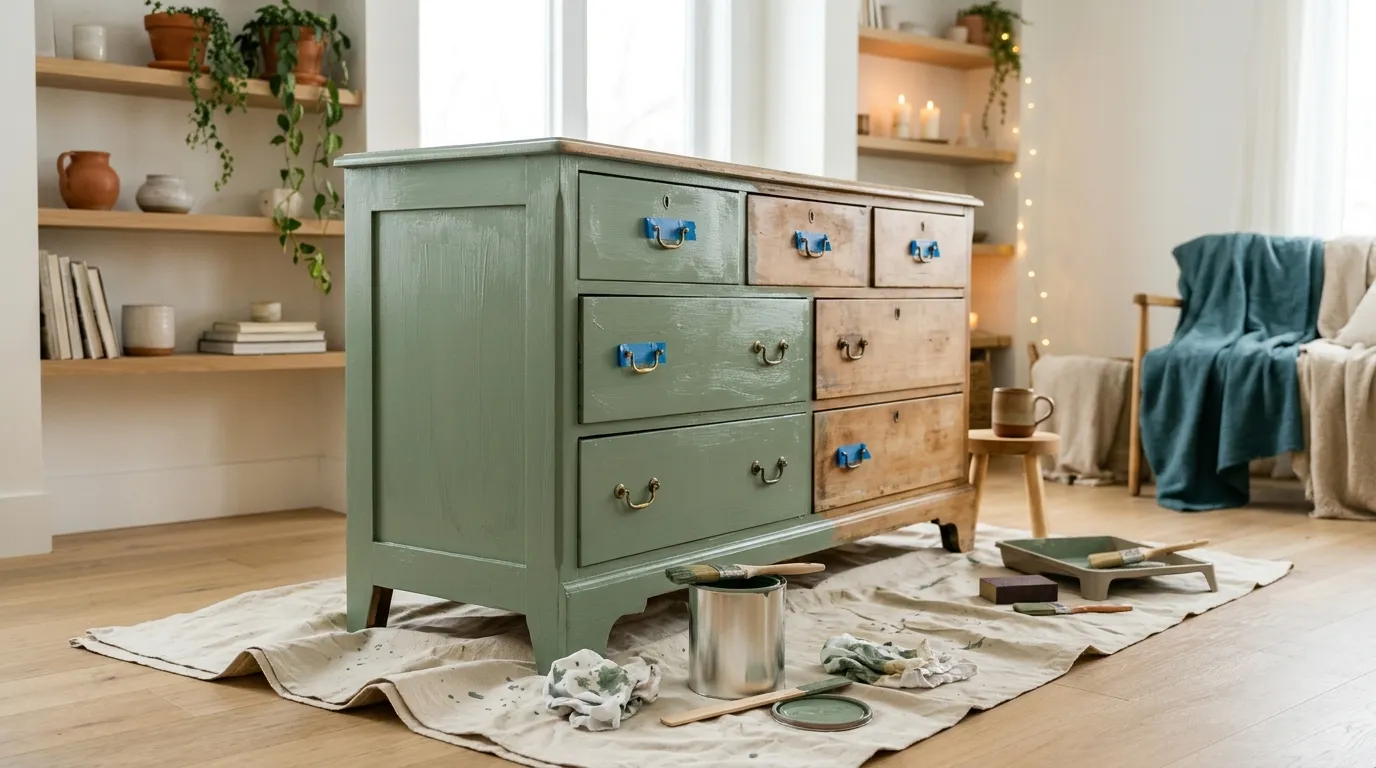
An old cupboard with new paint and new handles becomes a favourite – sustainable and cheap. How to do it without sanding: painting furniture without sanding. New legs, a new cover or a new tabletop also change a lot.
Recognising quality
- Solid wood lasts for decades and can be sanded down; veneer is cheaper but more delicate.
- Drawers should run on full-extension runners and close quietly.
- Upholstery: cold-cure foam keeps its shape better than basic foam.
- Labels: FSC for wood, eco labels for low-emission furniture – more in eco labels for furniture.
Outdoors
Balconies and terraces need suitable furniture too: weatherproof, folding or space-saving. Ideas in furniture for balcony and terrace.
Frequently asked questions
How big should a sofa be?
About two thirds of the wall it stands against. Seat depth 55–60 cm for upright sitting, 65 cm and more for lounging.
How far should the coffee table be from the sofa?
About 40 to 50 cm – close enough to reach, far enough for your legs.
Can different woods be combined?
Yes, but no more than two or three tones per room, with one dominating.
How do I recognise good furniture quality?
Solid wood or good veneer, sturdy joints, full-extension drawers, cold-cure foam in upholstery and quality labels.
Is it worth refurbishing old furniture?
Often yes: older furniture is frequently better built, and with paint and new handles it becomes one of a kind.