How to Combine Sage Green: Walls, Furniture and Textiles
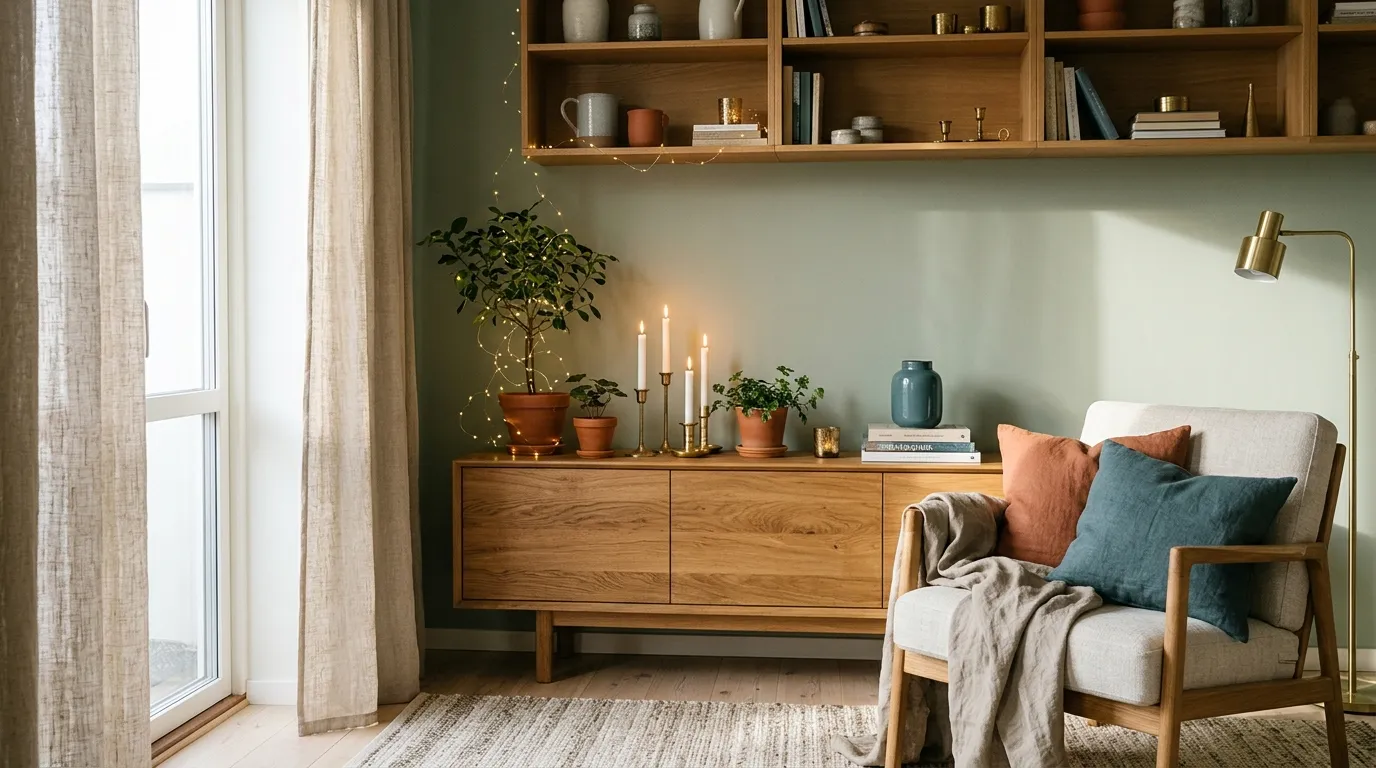
Sage green has been one of the most popular wall colours for several years – and for good reason. This muted, slightly grey green feels calming, natural and surprisingly versatile. It suits modern, Scandinavian and country interiors alike. Here's what goes best with sage and how to use it room by room.
What makes sage green special
Sage isn't a pure green but a green with a high grey and sometimes blue content. Depending on the manufacturer and the light, it can look warmer (with a yellow undertone) or cooler (with a blue undertone). That makes it so versatile – but also makes testing it beforehand important.
In colour psychology, green stands for nature, calm and recovery. That makes sage especially suitable for bedrooms, living rooms and workspaces. More in our guide to colour psychology.
Matching colours
Warm white and cream. The classic: fresh, bright and calm. Ideal for ceilings, doors and window frames.
Terracotta and rust. The complementary colour adds warmth and tension – as a cushion, vase or rug.
Mustard and ochre. A warm counterpart for accents, especially in autumn and winter.
Pink and dusty rose. Delicate and playful, good for bedrooms and children's rooms.
Navy and petrol. For an elegant, deep look – for example a petrol velvet armchair in front of a sage wall.
Black. As an accent in picture frames, lamps or chair legs it looks modern and crisp.
Other greens. Sage combined with olive, moss or fir green creates a tone-on-tone world that feels very harmonious.
Wood and metal
- Light wood (oak, ash, birch) looks fresh and Scandinavian with sage.
- Dark wood (walnut) looks elegant and earthy.
- Rattan and wicker suit its natural character perfectly.
- Brass and gold add warmth and a touch of luxury.
- Black metal looks modern and graphic.
- Chrome and silver sparingly – they make sage look cooler.
Room by room
Living room: a sage wall behind the sofa, the sofa in cream or linen, cushions in terracotta and mustard, wooden furniture. Plants reinforce the natural look.
Bedroom: sage is especially calming here. Combined with white or sand linen bedding and a wooden bed, it creates a peaceful retreat.
Kitchen: sage green kitchen fronts are very popular – timeless with brass handles and a wooden worktop.
Bathroom: sage on the wall with white tiles and wooden accessories looks fresh and spa-like.
Hallway: a half-height wall in sage (up to about 1.20 m) with white above protects against scuffs and looks modern.
Furniture and textiles in sage
If you can't or don't want to paint, bring in sage through furniture and textiles: a sage velvet sofa, curtains, bedding, a rug, cushions or a chest of drawers painted sage.
One tip
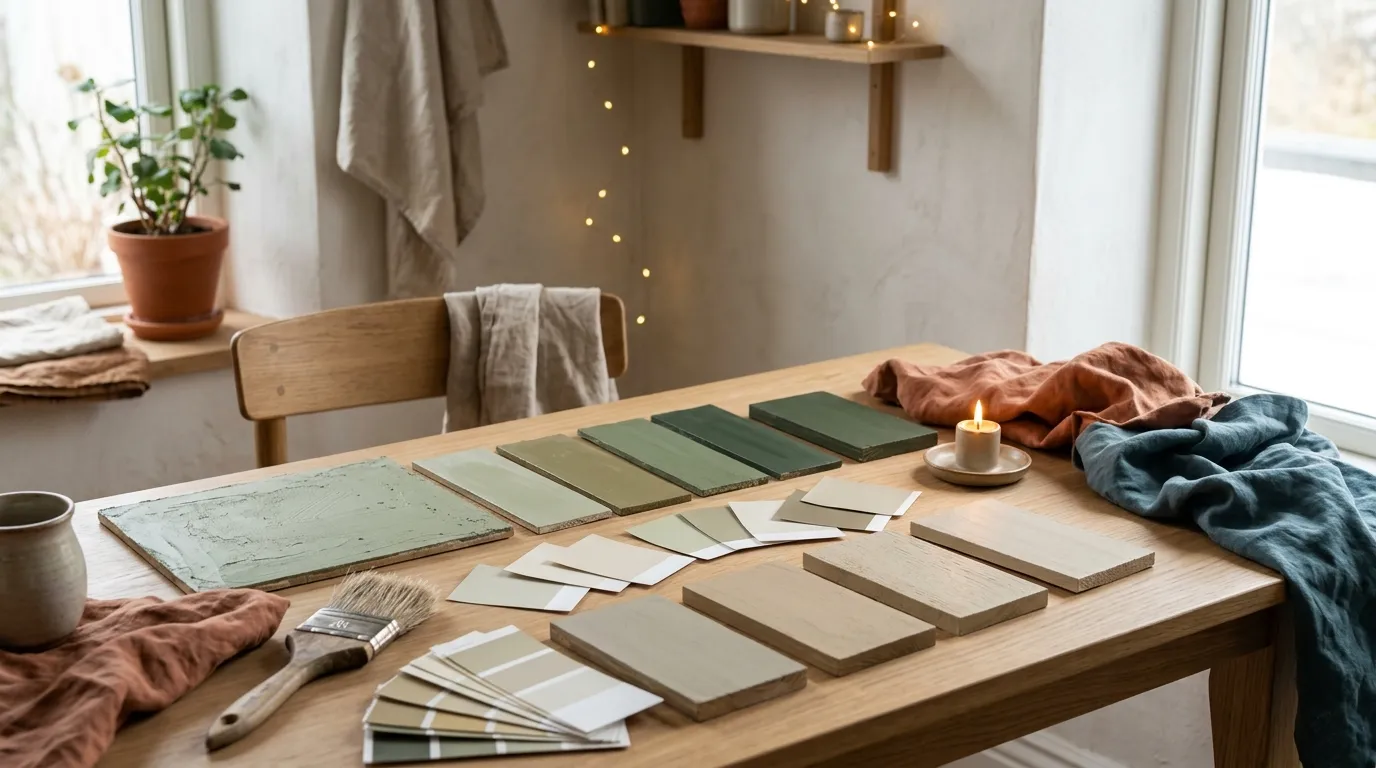
Always test sage in your own room. In north-facing rooms it can look grey and cold – choose a warmer sage with more yellow. In south-facing rooms, cooler, bluer versions work too. Paint a large test patch and look at it in the morning, at midday and in the evening.
More trend colours at a glance: colour trends 2027.