Tidying & storage
A tidy home feels bigger, calmer and more beautiful. Here you’ll find ideas for decluttering, organising and clever storage – room by room and with systems that work in everyday life with children, home working and little space.
Everyday:Plants & flowersSmall spaces & space optimizationDIY decoration ideas
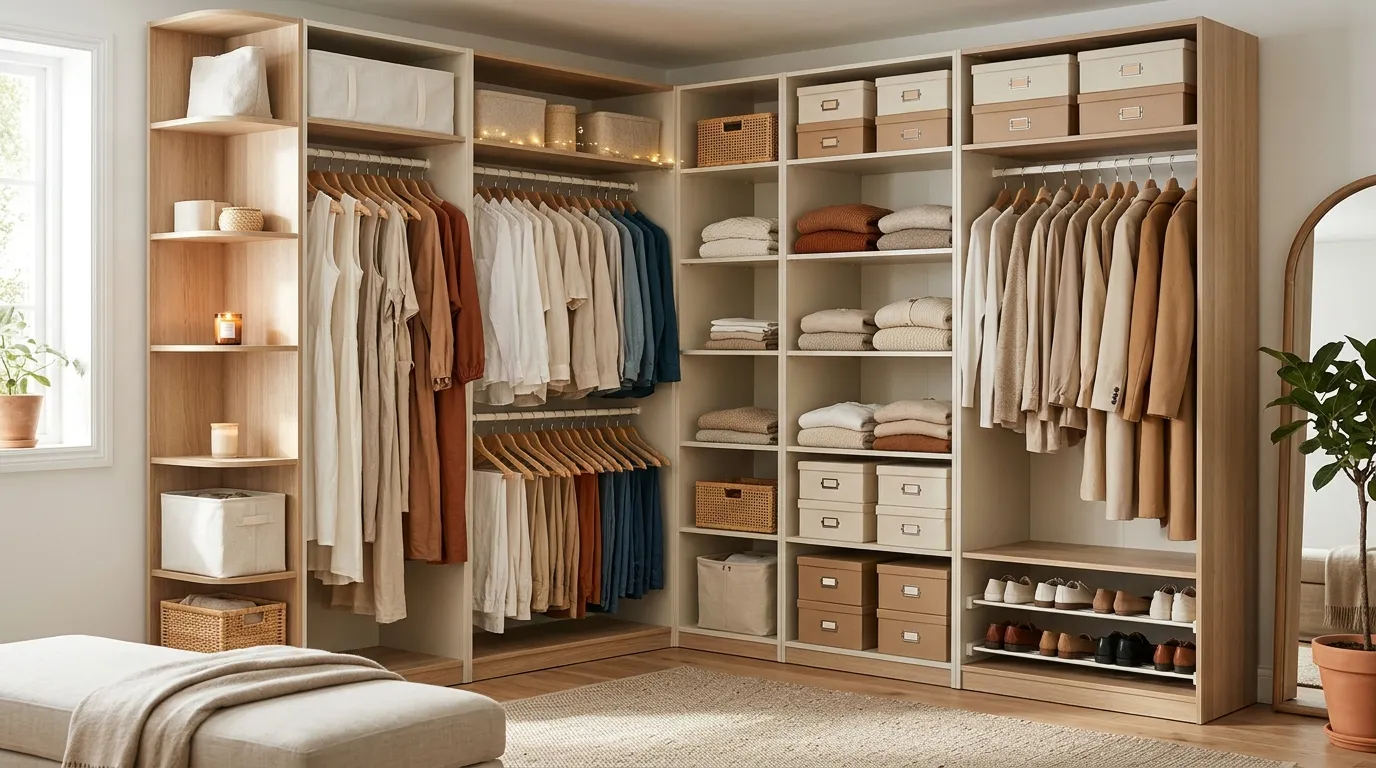
Organising Your Wardrobe: Systems That Last
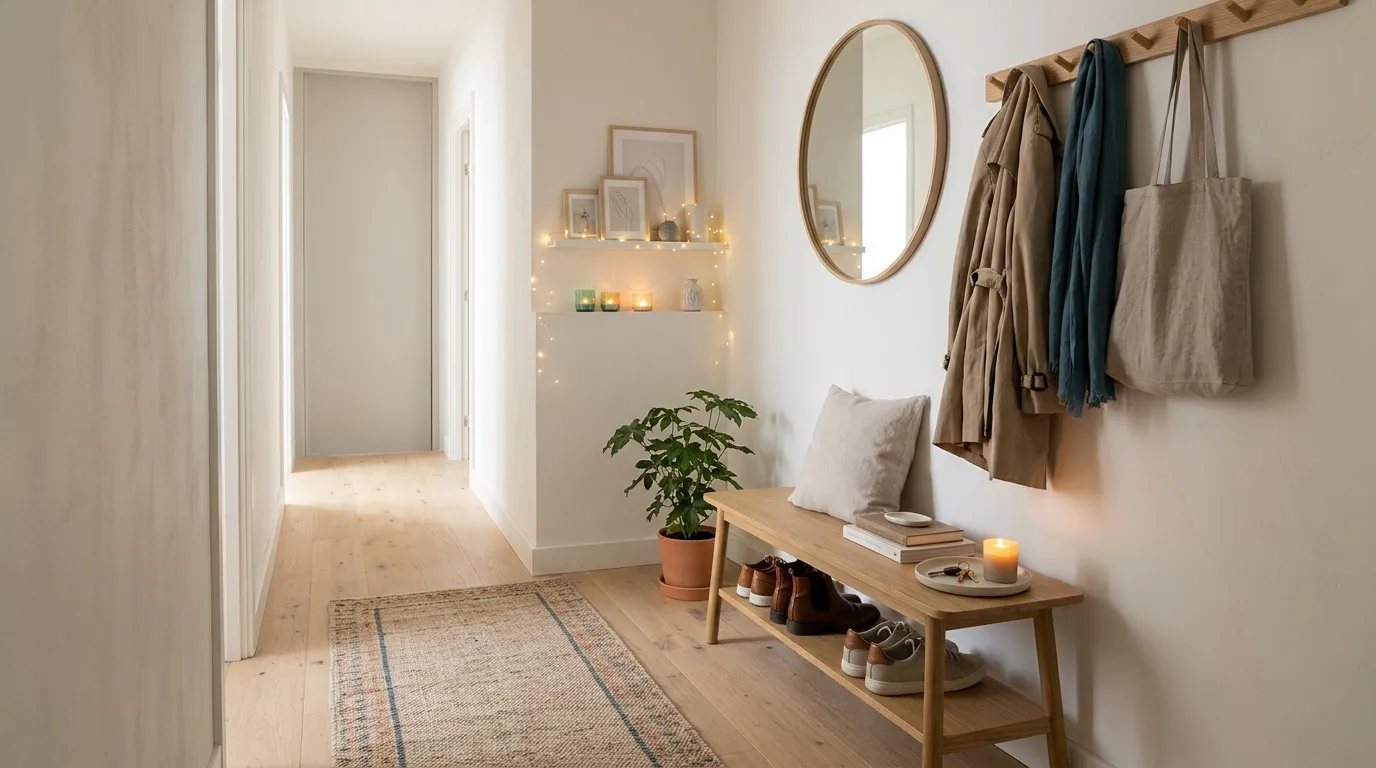
Hallway Coat and Shoe Storage: Keeping Jackets and Shoes in Order
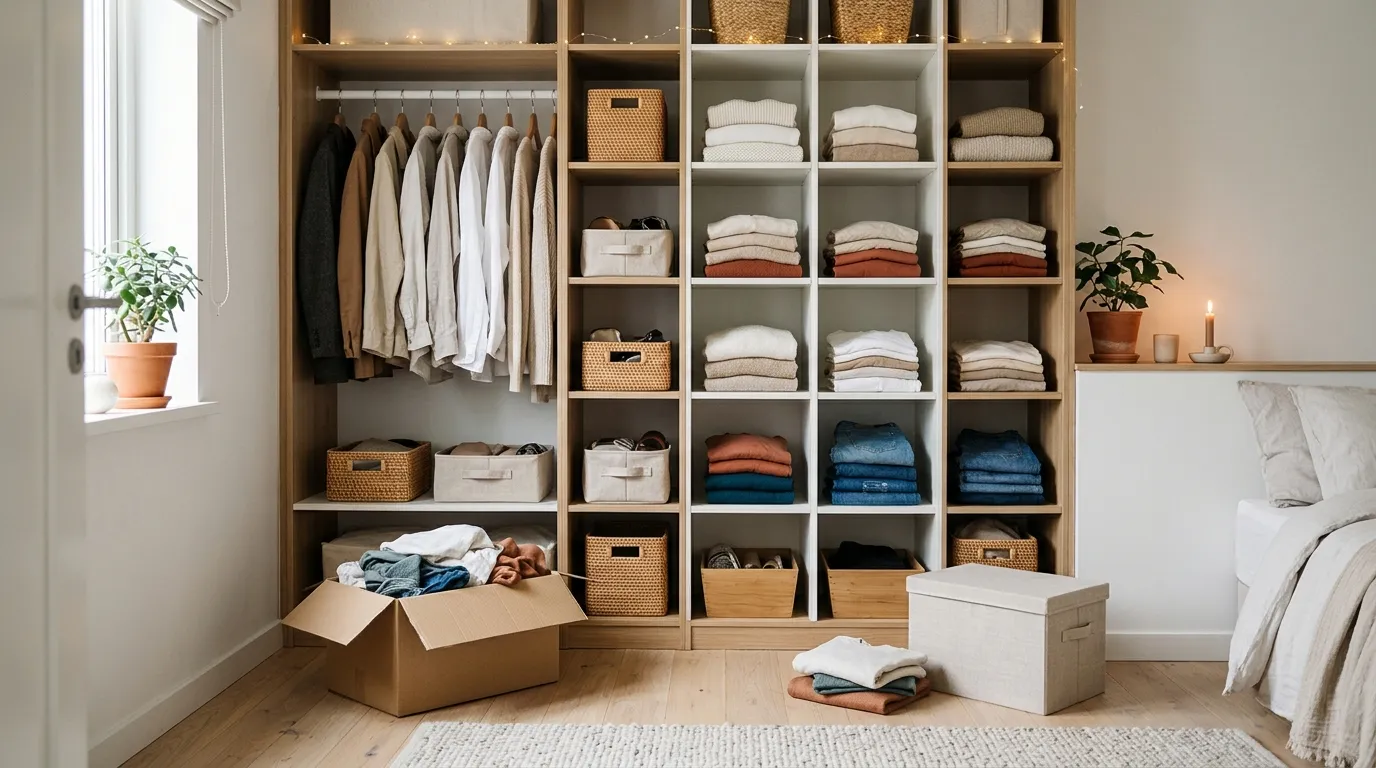
Decluttering in January: The 4-Week Plan
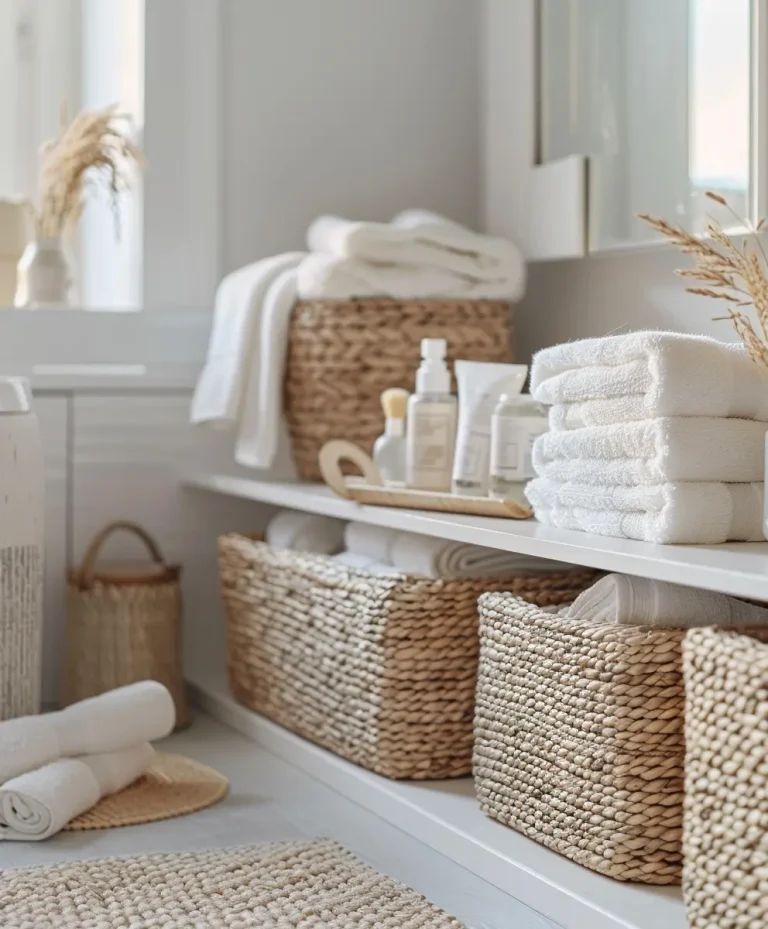
Practical and Stylish Bathroom Decor with Storage Solutions
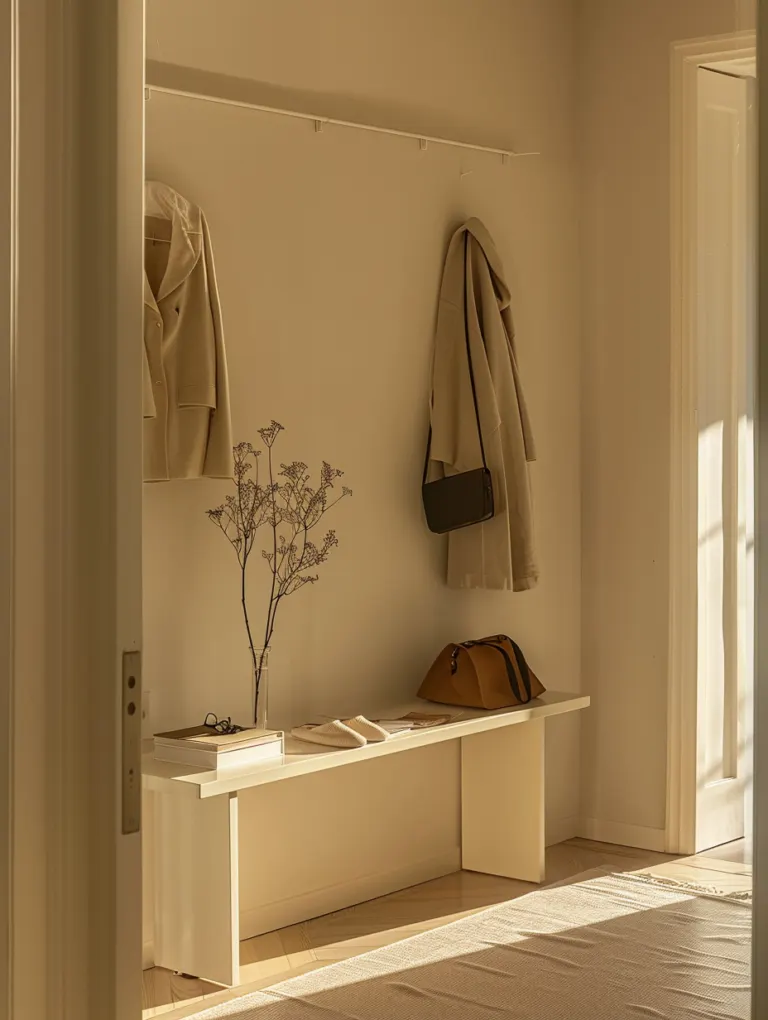
Minimalist Hallway Decor: Tips for a Tidy and Stylish Hallway Design
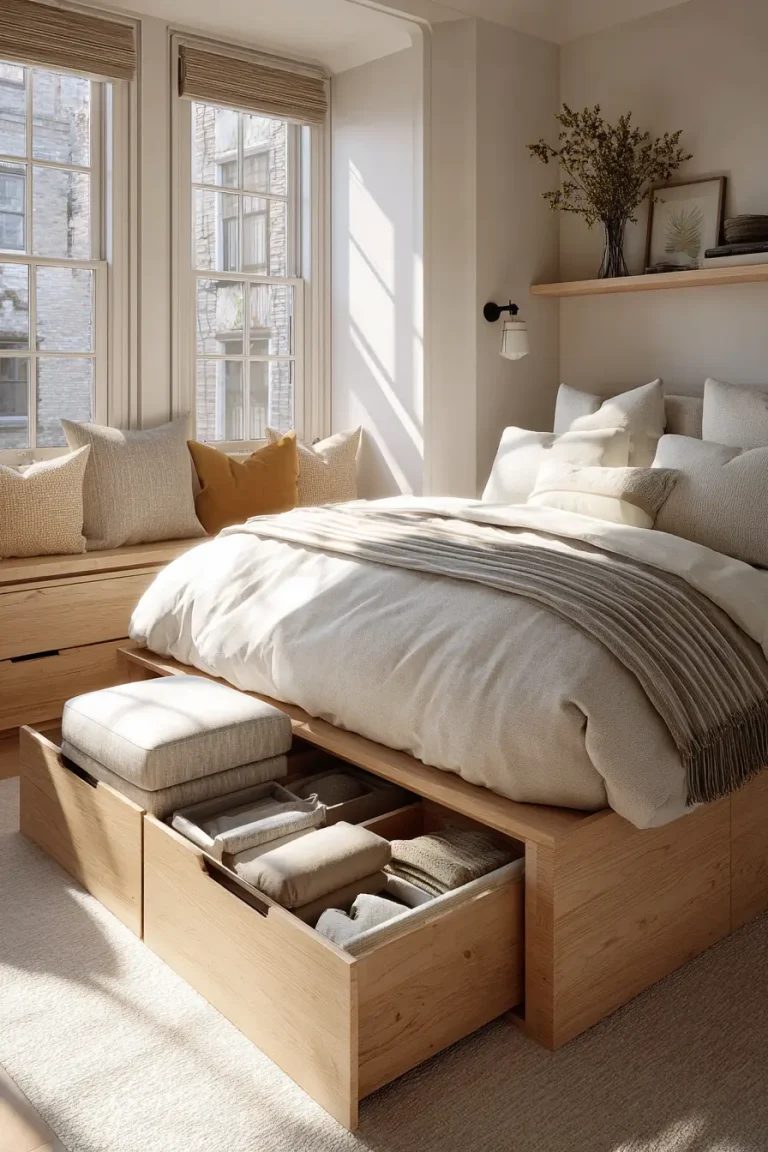
Bedroom Storage: The Best Hidden Spots for Bedding & More
Declutter first, then organise
The most common mistake: buying new boxes before sorting things out. Storage systems only work when there are fewer things. So the rule is always: sort out first, then find a fixed place for everything, and only then buy storage.
Tried-and-tested rules:
- Start small: one drawer, not a whole room.
- Four piles: keep, donate/sell, bin, belongs elsewhere.
- The one-year rule: what you haven’t used in a year you rarely need.
- Out straight away: take donation bags out of the house the same day.
Our 4-week decluttering plan takes you through your home week by week.
Order room by room
- Wardrobe: matching hangers, upright folding, seasonal switches – more in organising your wardrobe.
- Bedroom: storage under the bed and in alcoves – see bedroom storage.
- Hallway: hooks, shoe cabinet, the season rule – in hallway coat storage.
- Bathroom: drawer dividers, wall shelves, baskets – in bathroom decor and storage.
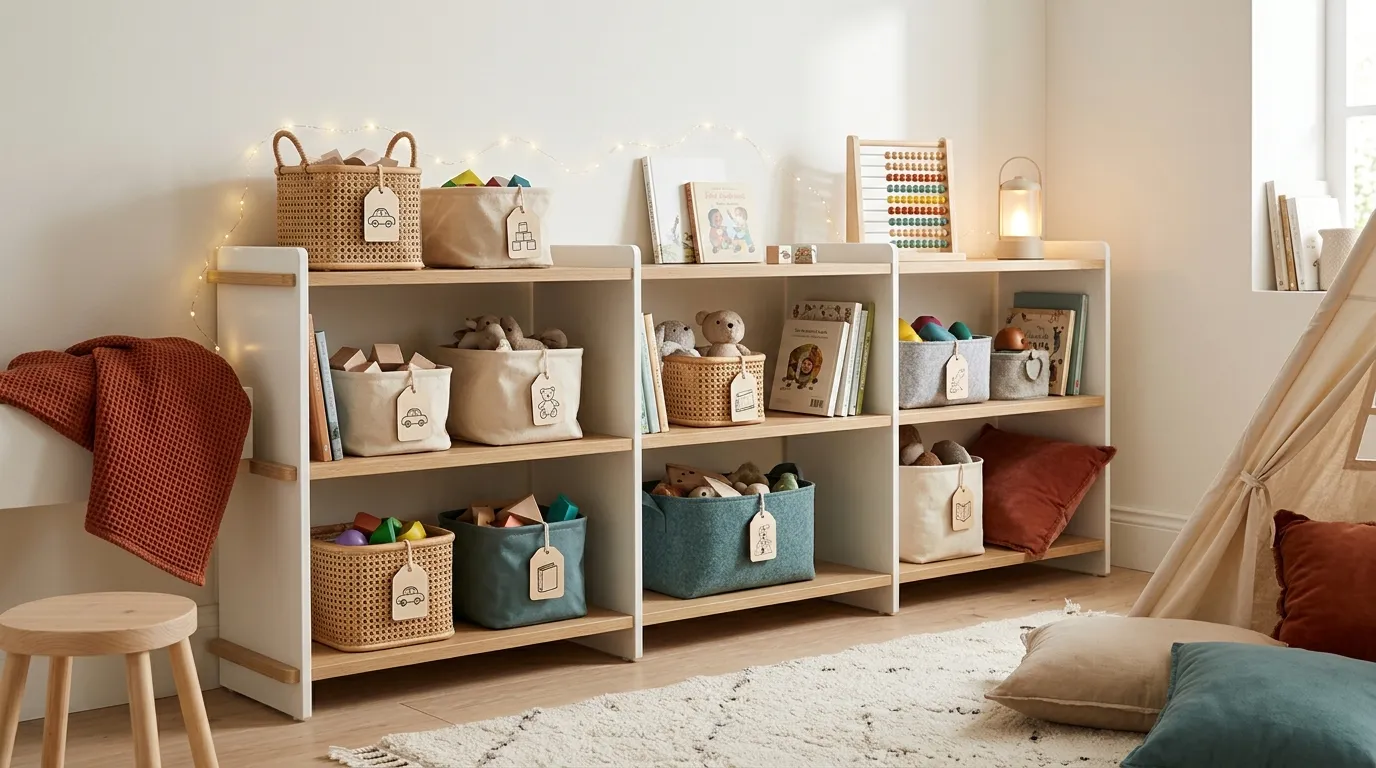
- Kids’ room: toy rotation instead of chaos – in toy organisation.
- Seasonal decor: boxes with a system – in storing Christmas decorations.
Storage in small flats
When space is tight, it helps to think vertically: shelves up to the ceiling, wall cupboards, hooks on doors. Add furniture with a double function – a bed with drawers, a storage bench, a coffee table with a compartment. Unused corners and alcoves become built-in cupboards. More ideas under small spaces.
On show or hidden?
Open shelves look light and personal but need upkeep – otherwise they quickly look messy. Closed storage is low-maintenance and calms the room. A good rule of thumb: everyday things behind doors, beautiful things on open shelves. Seagrass baskets or fabric boxes are the compromise: they hide odds and ends and still look homely.
Staying tidy
Tidying up is quick; staying tidy is the art. What helps:
- Fixed places: everything has a home – then less ends up just anywhere.
- One in, one out: for every new item, an old one goes.
- Five minutes in the evening: a quick round through the flat.
- Keep surfaces small: large empty surfaces invite clutter.
- Once a season: a quick sort-out in wardrobe and kitchen.
Order and wellbeing
Order isn’t an end in itself. Fewer things mean less cleaning, less searching and a calmer mind. Many people find after decluttering that they don’t need a bigger home at all – just fewer things in it. If you’d like to take the idea further, see minimalist living.
Frequently asked questions
How do I start decluttering?
Small and with a quick visible result – a drawer or the wardrobe. Then continue room by room.
What is the best storage?
Whatever suits your daily life. Sort out and set fixed places first, then buy boxes, baskets and inserts deliberately.
How do I create storage in a small flat?
Think vertically, use alcoves, choose furniture with storage (bed with drawers, storage bench) and add hooks to doors.
How do I stay tidy long term?
A fixed place for everything, the one-in-one-out rule and a short tidy-up round in the evening.
Open shelves or cupboards?
Everyday things behind doors, beautiful things on open shelves. Baskets are a good compromise.