
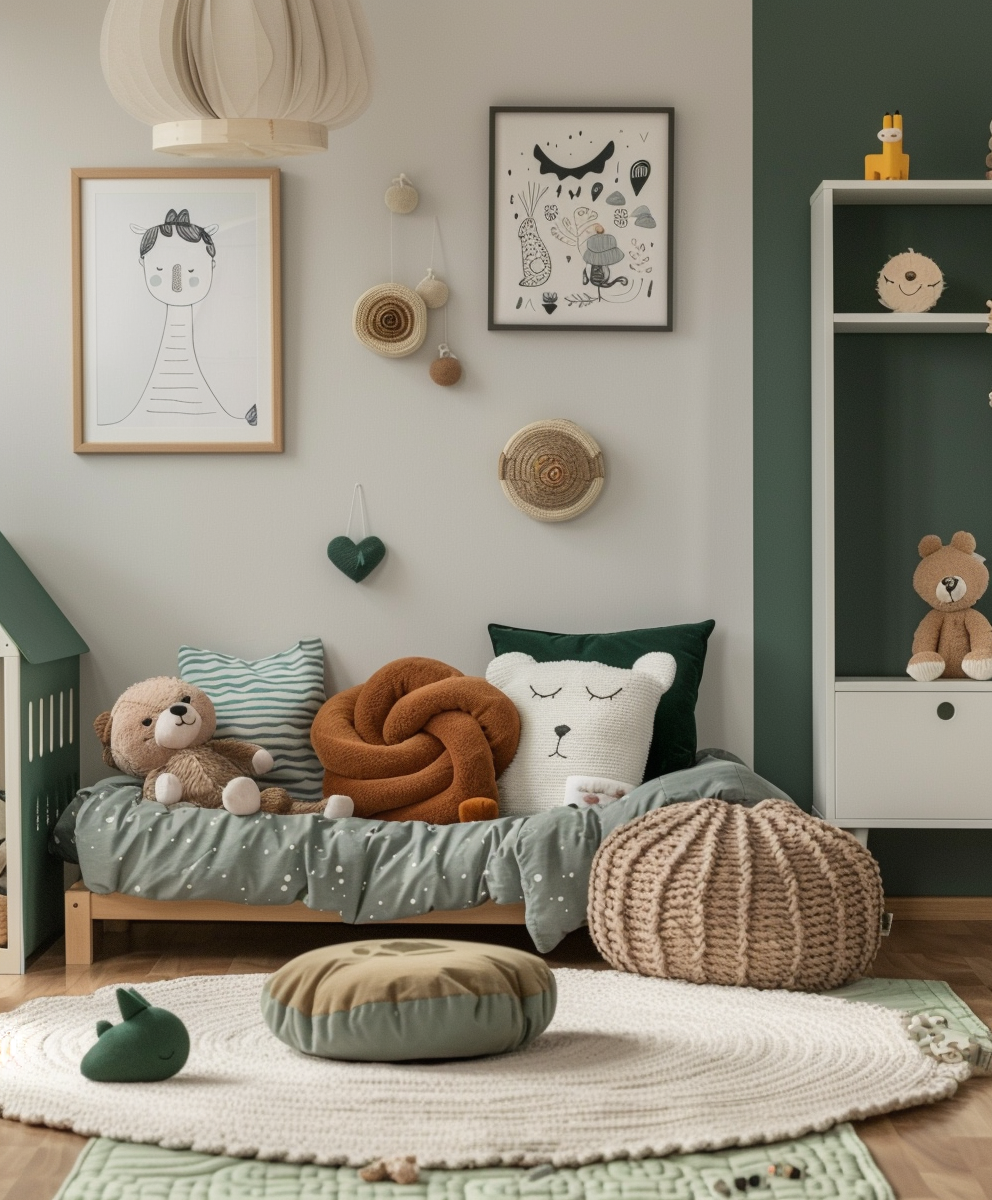
Color design in the children's room is an exciting and creative project that can bring joy to both children and parents. There are countless ways to design a children's room with color to create a cheerful, relaxed, and inspiring environment. In this post, we share ideas for color design in children's rooms for different age groups and genders.
Colors in the Baby Room: Soft Tones for Newborns
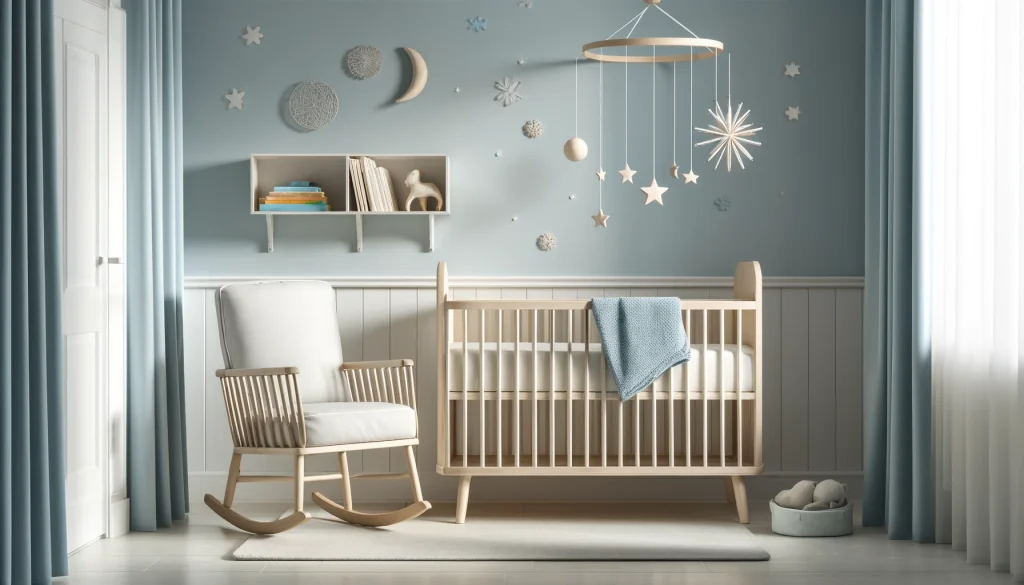
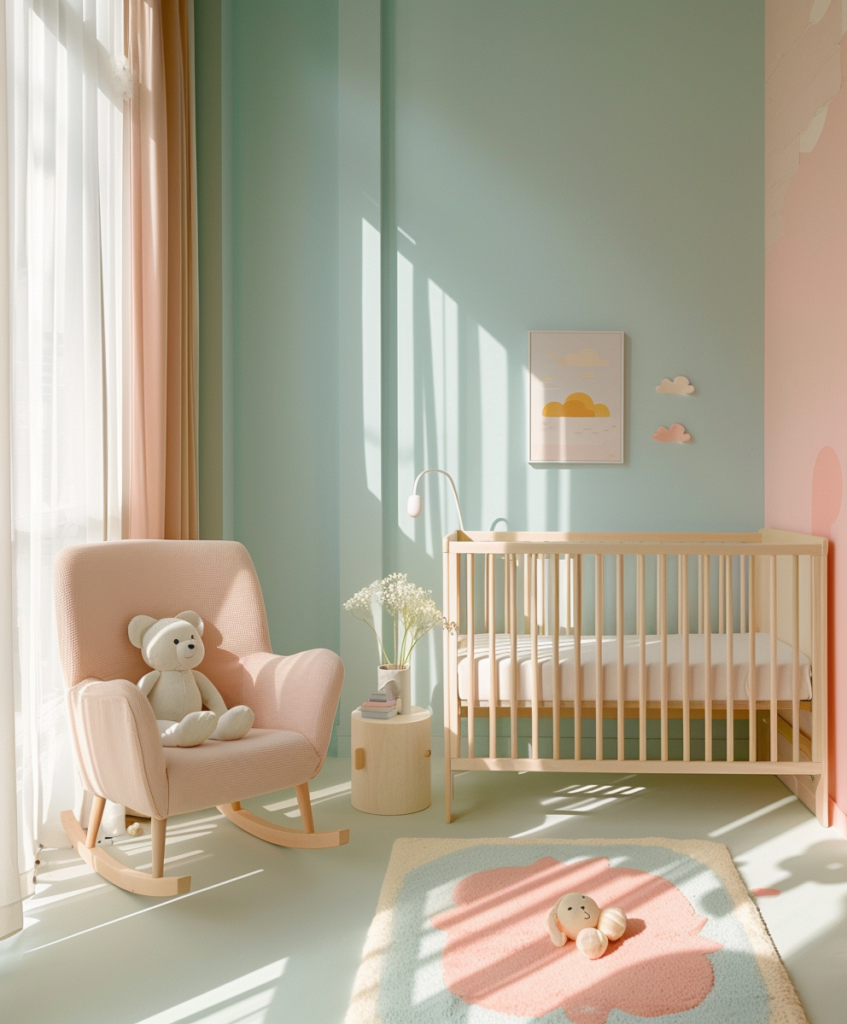
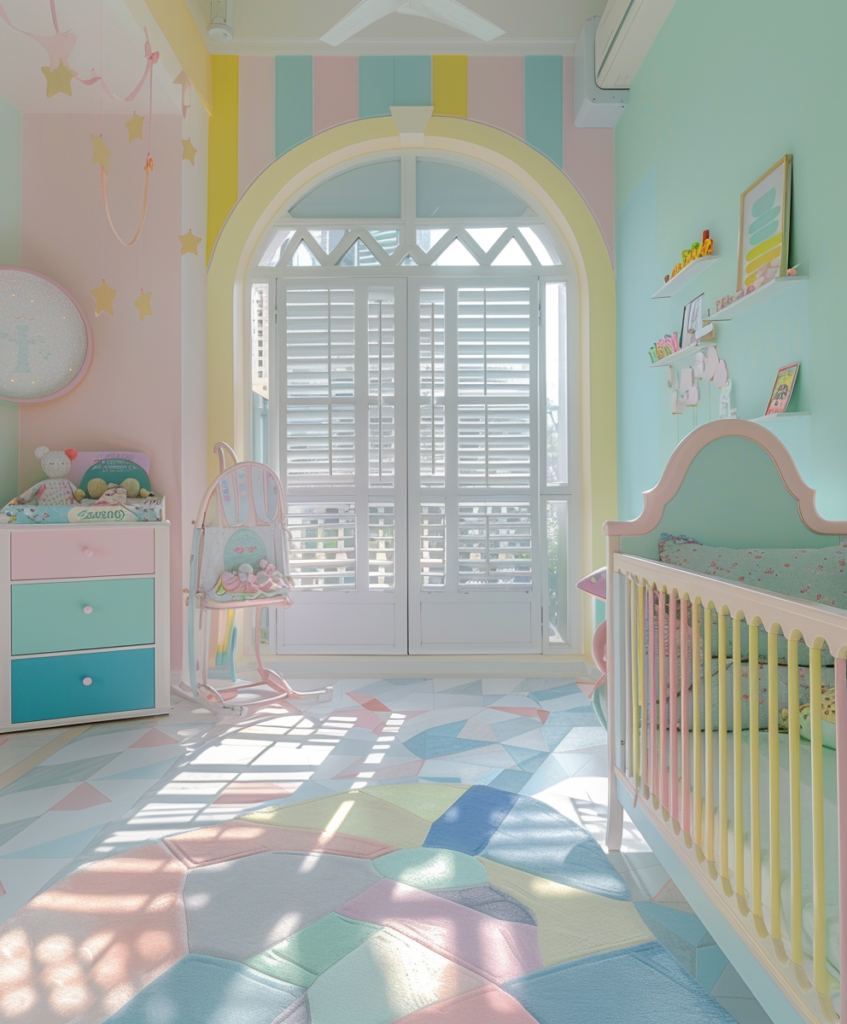
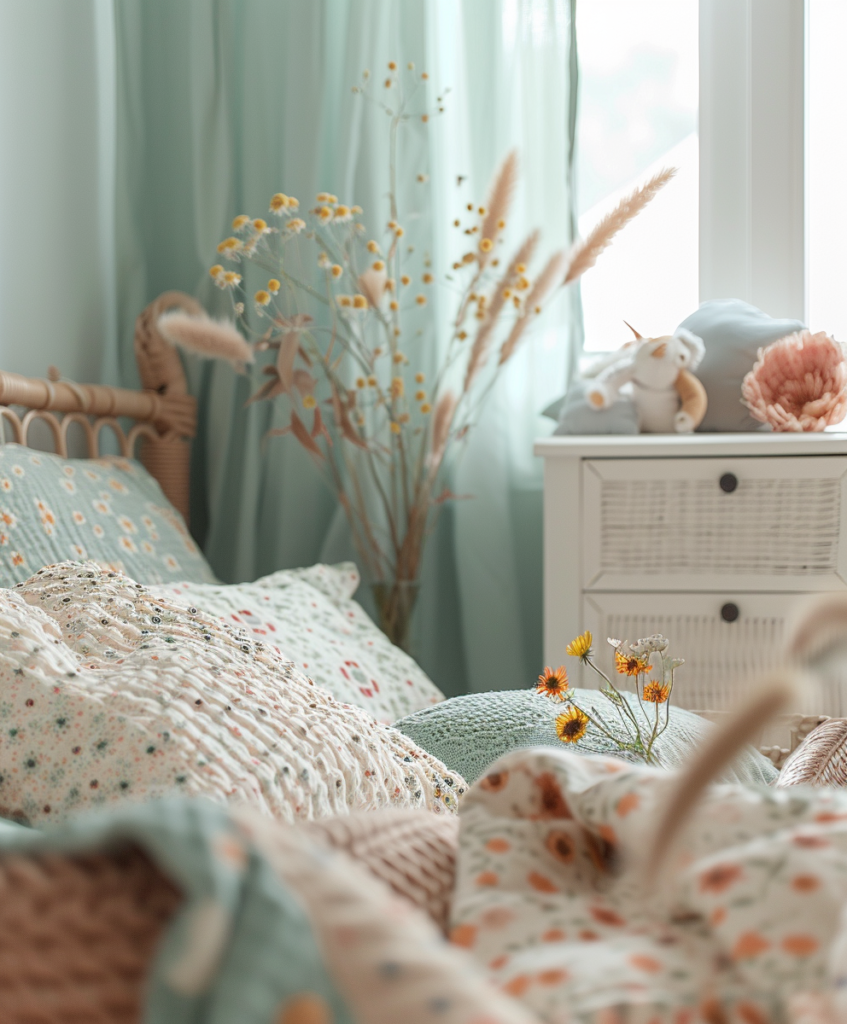
A baby's room should have a calming and inviting atmosphere. Soft pastel colors like baby blue, delicate pink, mint green, or a soft yellow are ideal for creating a peaceful environment. These colors are not only soothing but also versatile enough to be combined with various decorations and themes.
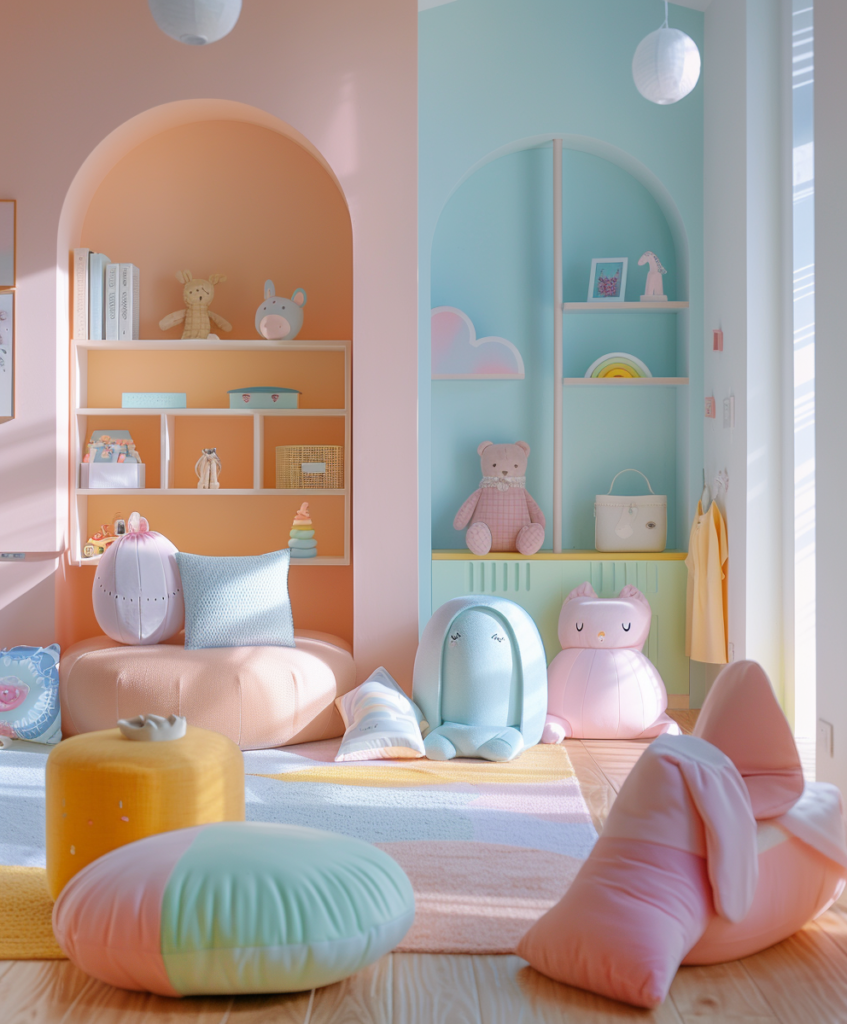
Neutral Colors: Gender-Neutral Children’s Room Design
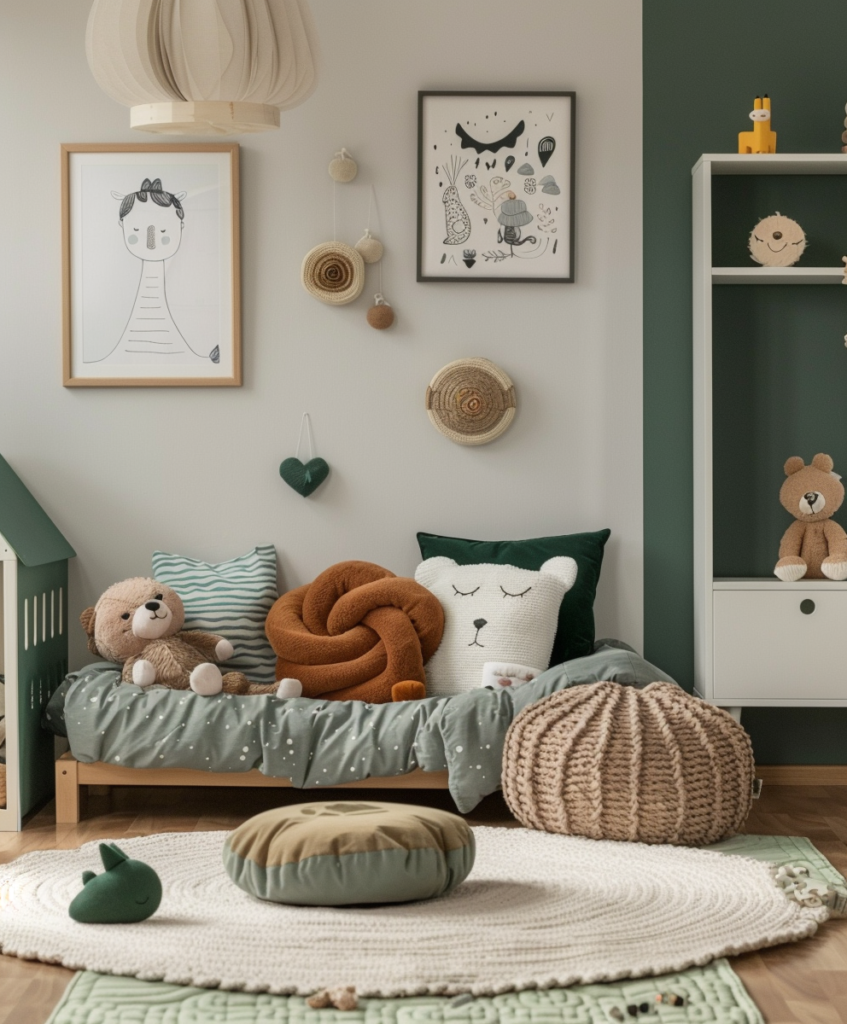
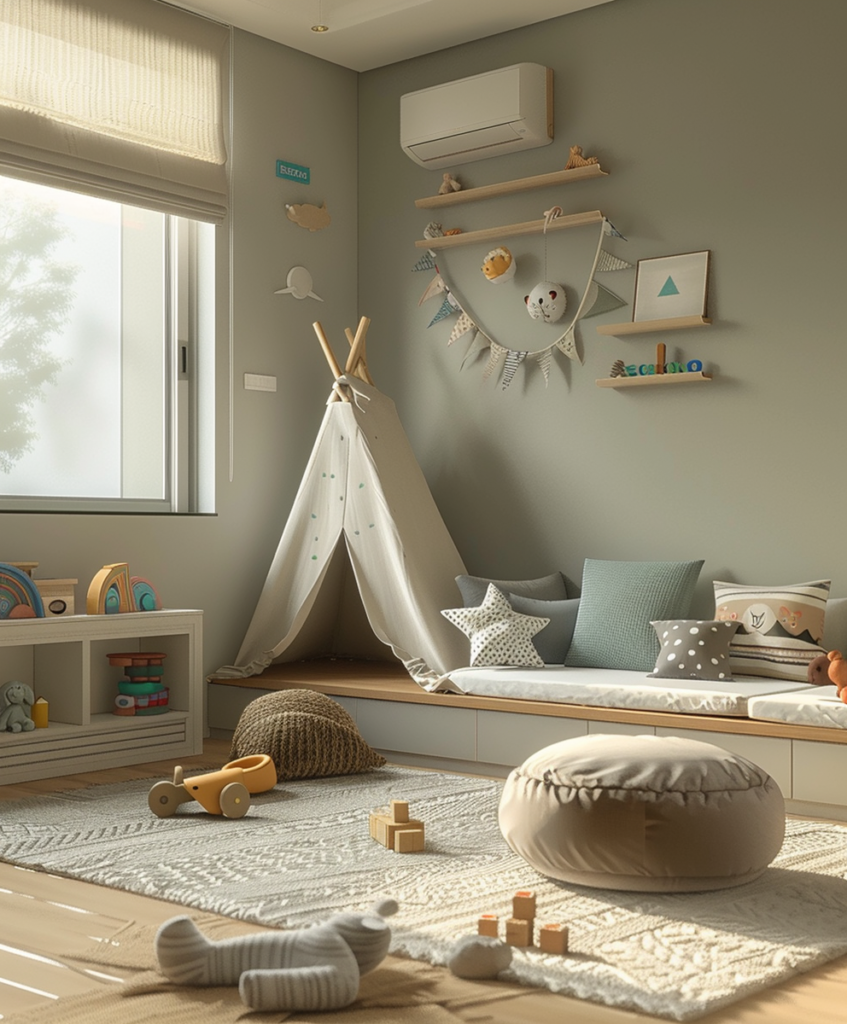
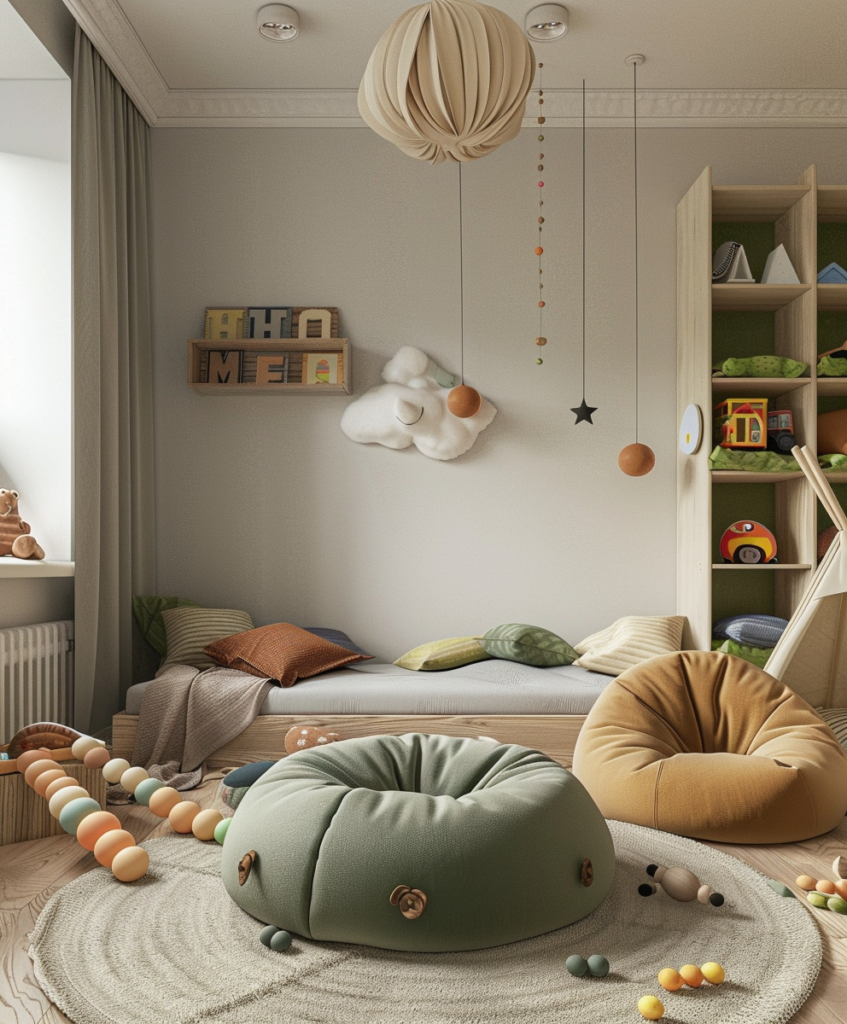
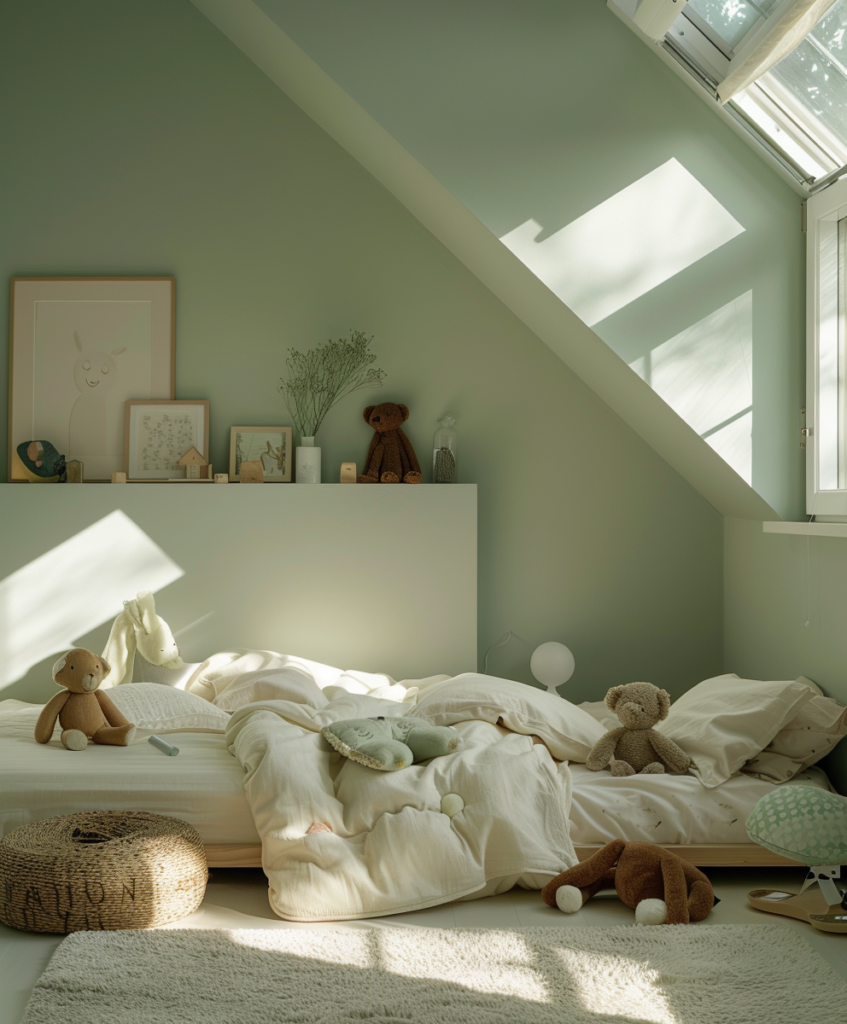
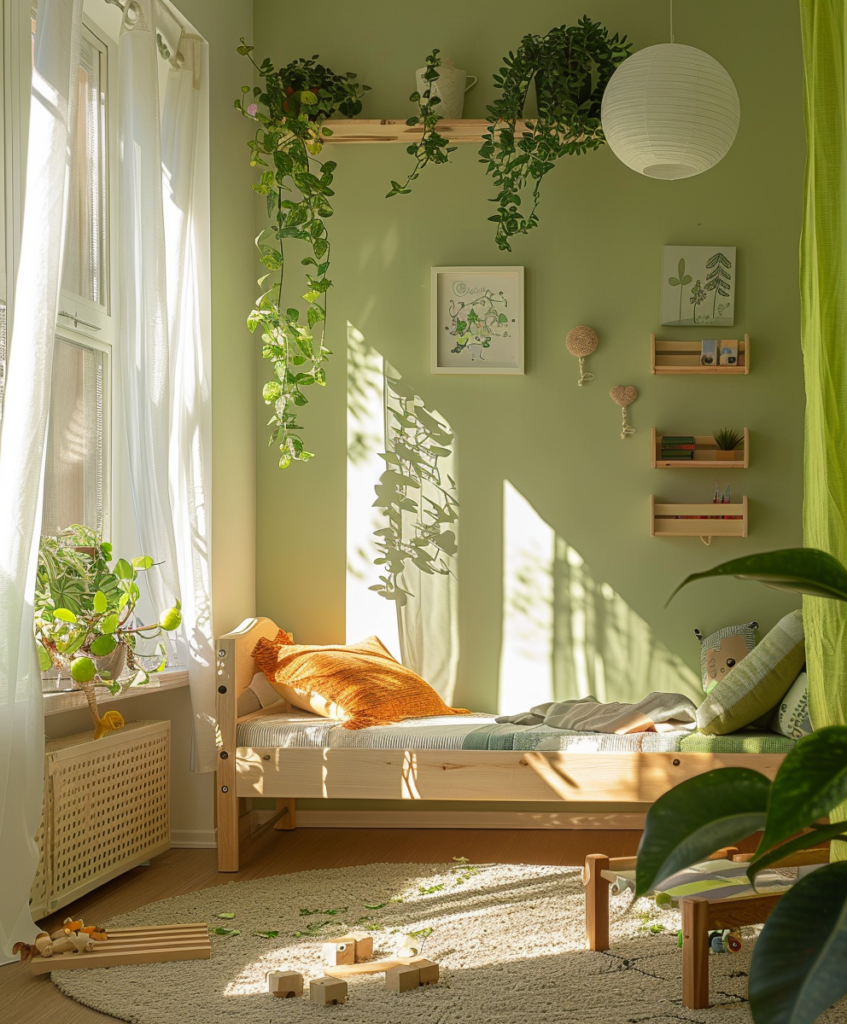
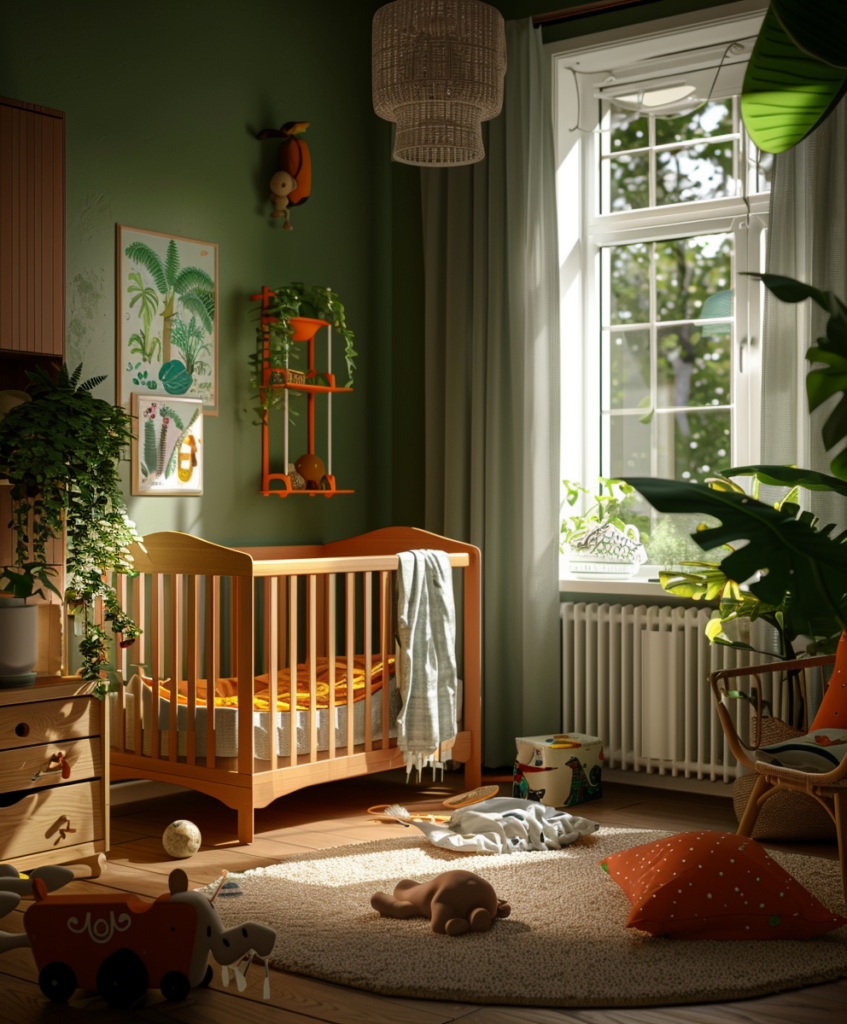
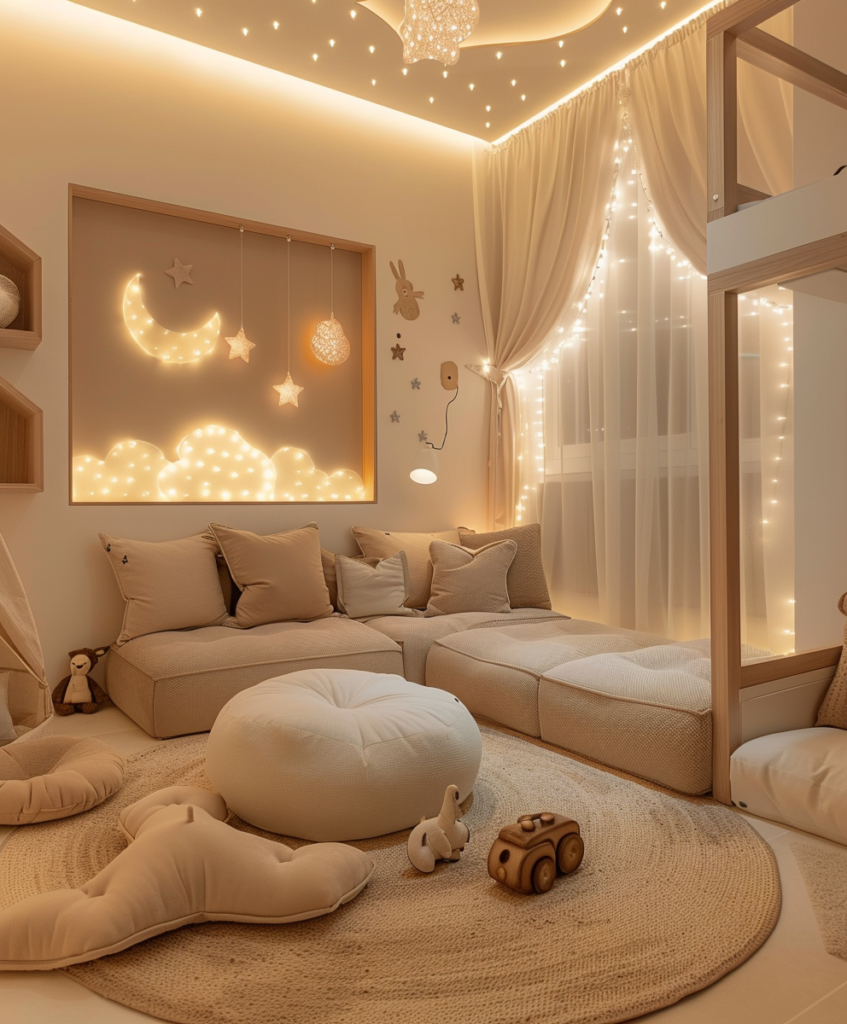
If you want to design a children's room that is suitable for both boys and girls, neutral colors are an excellent choice. Colors like gray, white, beige, or a soft green can provide the perfect foundation. With neutral colors, you can easily set accents later and adapt the room as the child grows and their preferences change.
Bold Colors for Toddlers: Playful and Vibrant Spaces
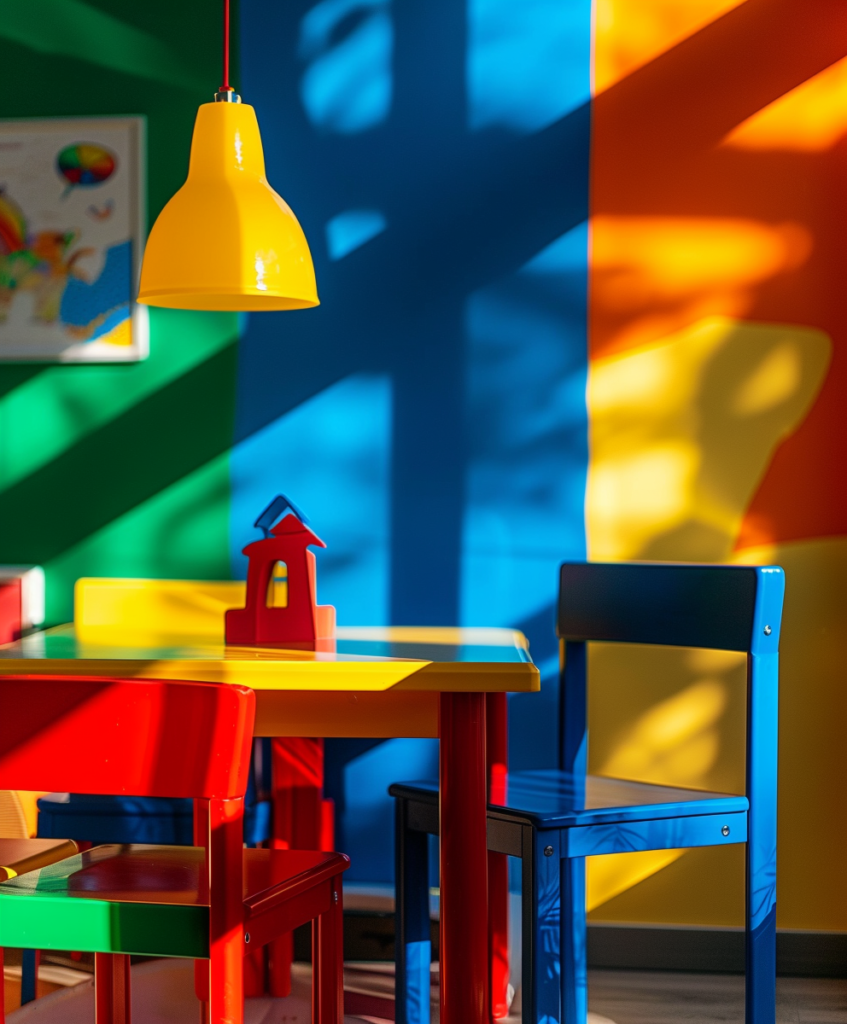
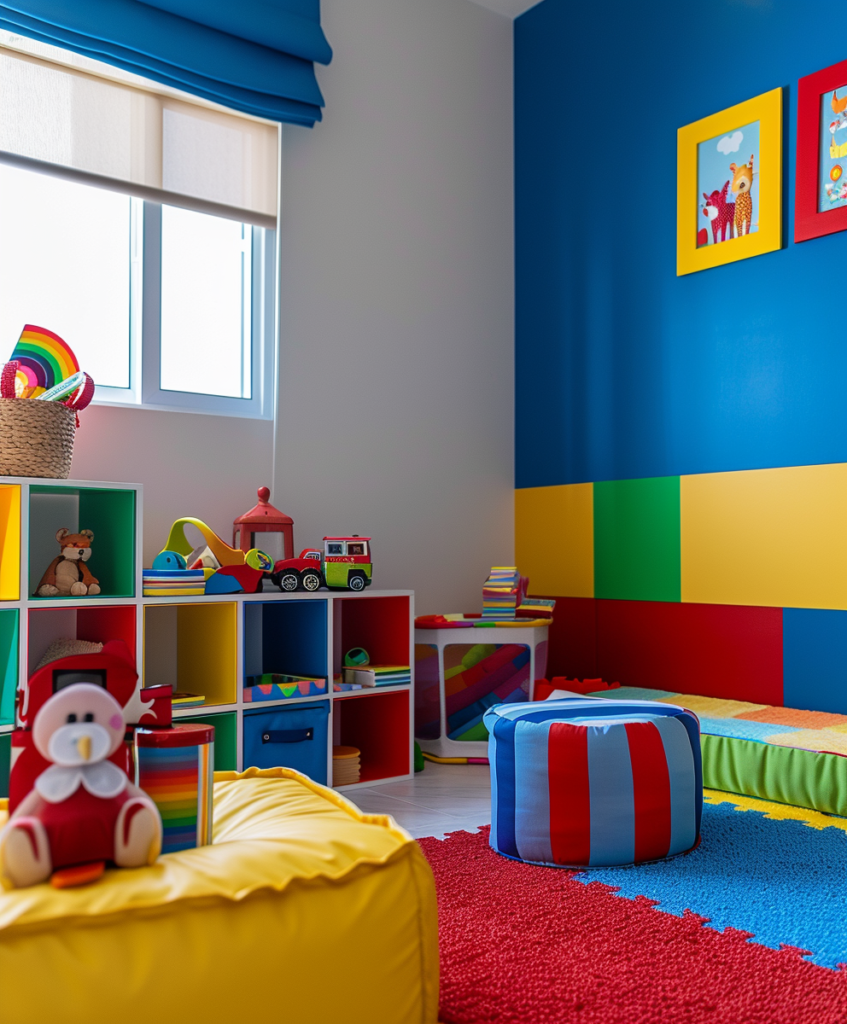
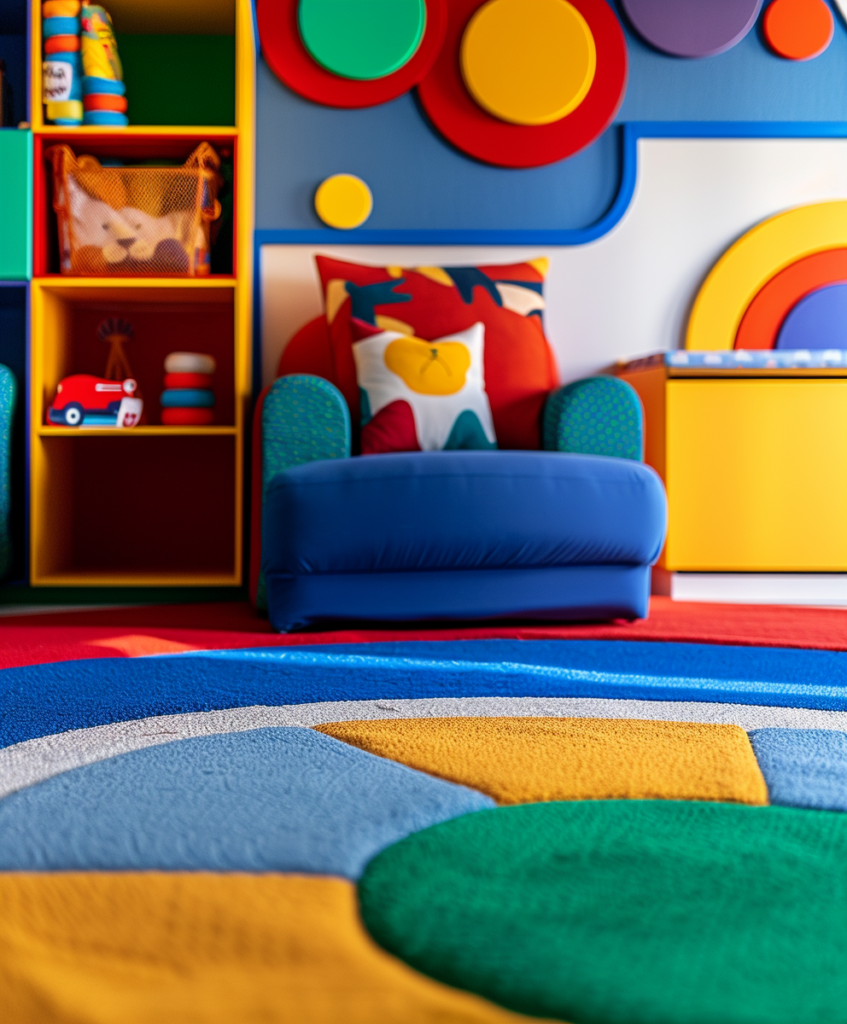
Toddlers love it colorful and lively. Bold colors like red, blue, yellow, or green can transform the children's room into a cheerful and energetic space. You can design an accent wall in a bold color or introduce various colorful pieces of furniture and accessories to create a dynamic environment.
Thematic Color Design: Creative Concepts for the Children’s Room
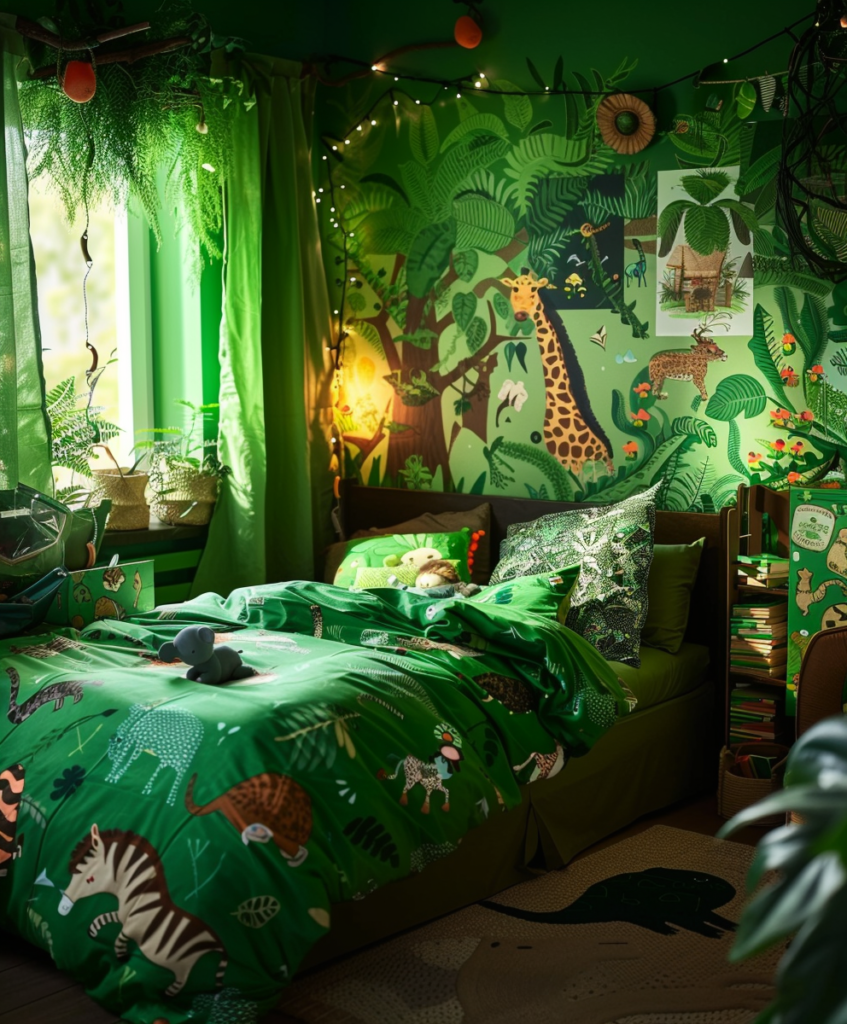
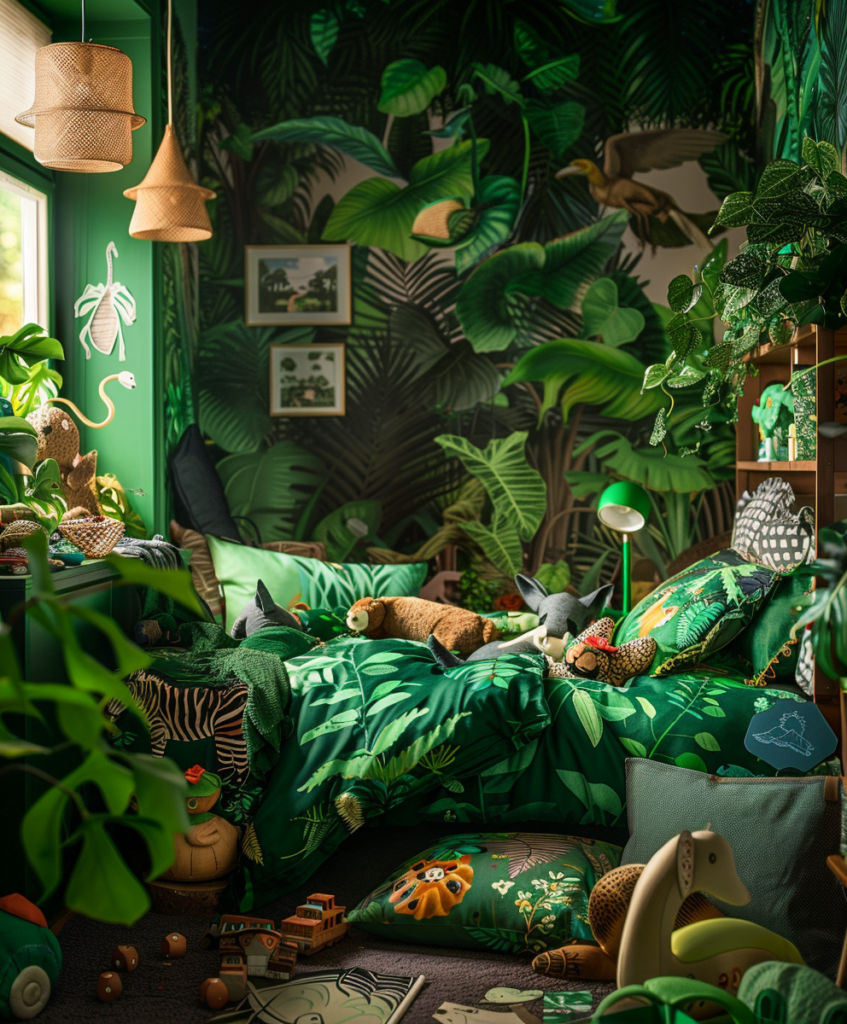
Thematic color design can be particularly fun. Whether you choose a jungle theme, an underwater world, a fairy tale castle, or a space adventure – colors play a crucial role. Choose colors that support the chosen theme and combine them with matching wall stickers, pictures, and decorations to bring the theme to life.
Colors for School Children: Concentrated and Inspiring Spaces
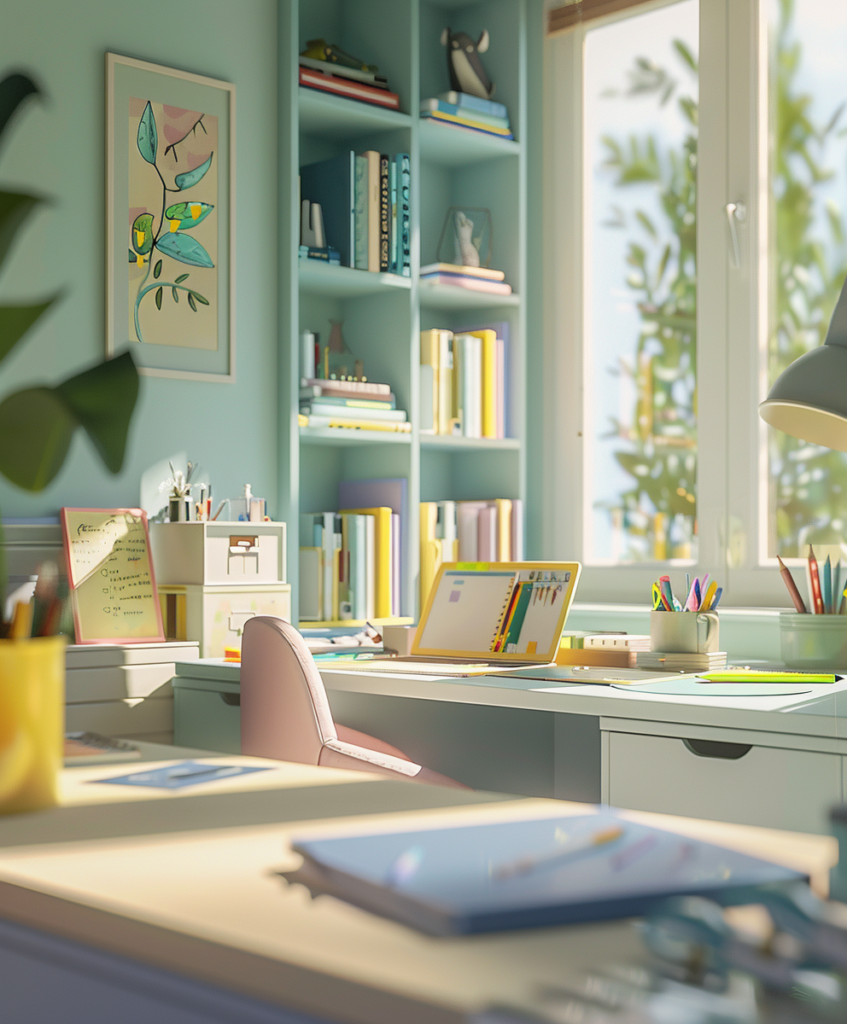
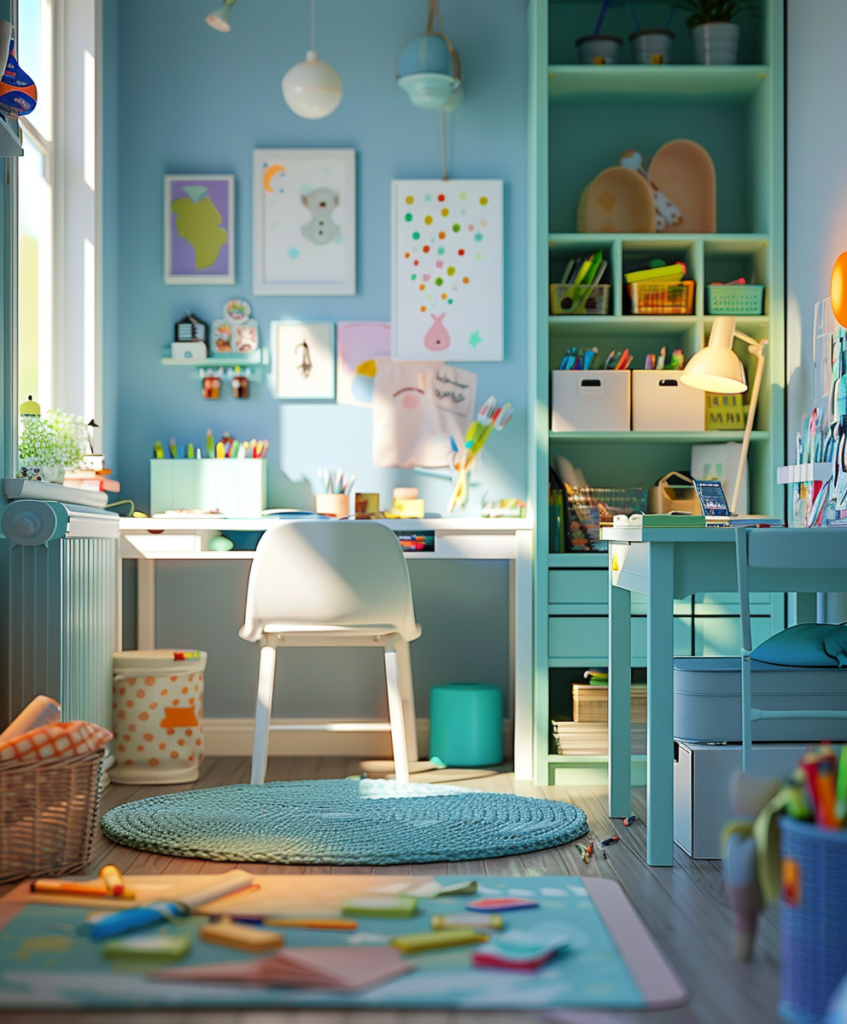
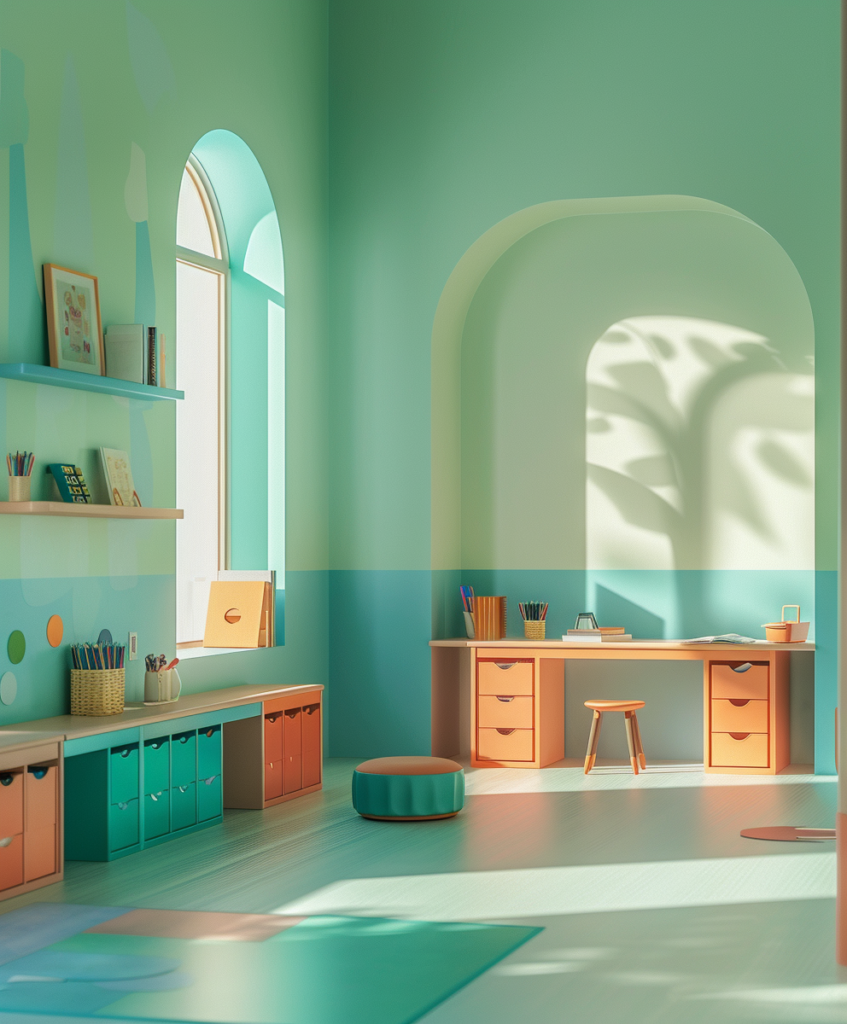
When your child reaches school age, the children's room should not only be a place to play but also to learn and relax. Colors like blue and green are known to promote concentration and have a calming effect. Combine these colors with a desk area that is well-lit and ensure there is sufficient storage space for school supplies and books.
Teenager’s Room: Expression of Personality
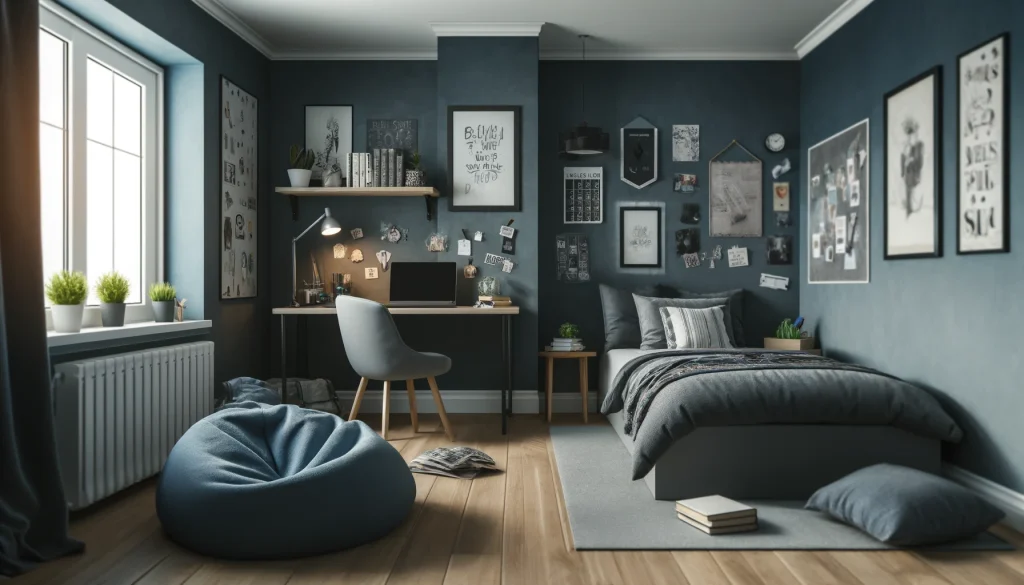
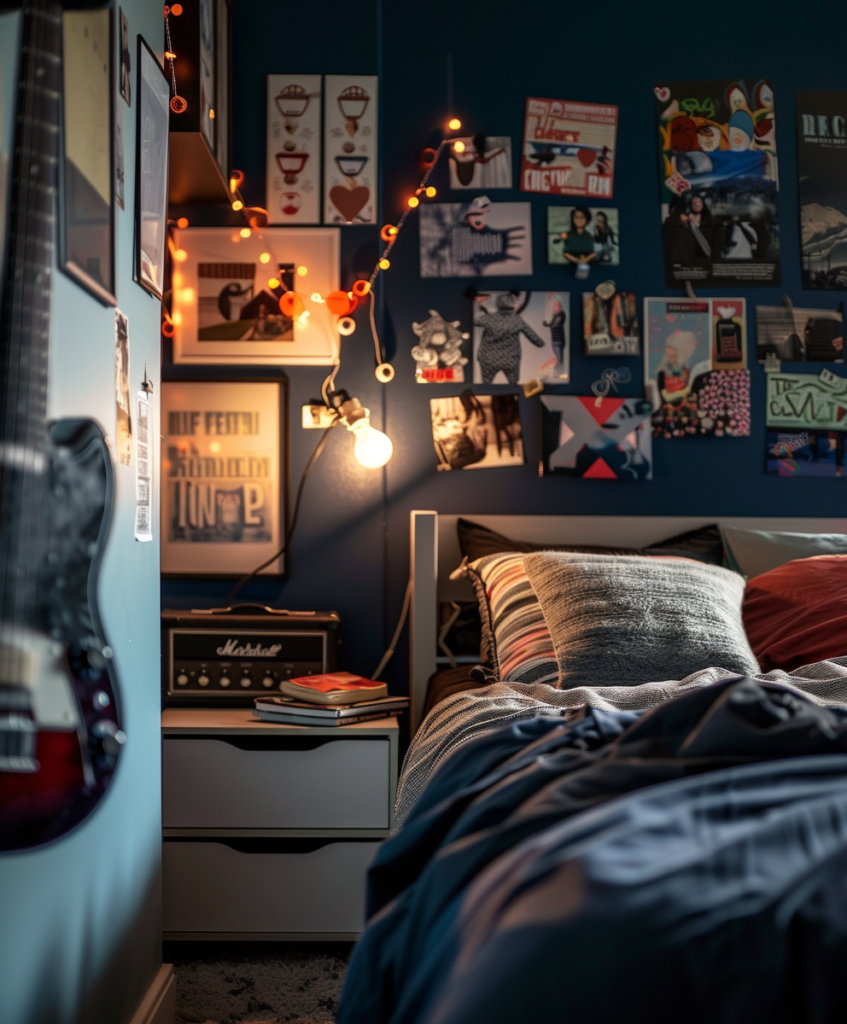
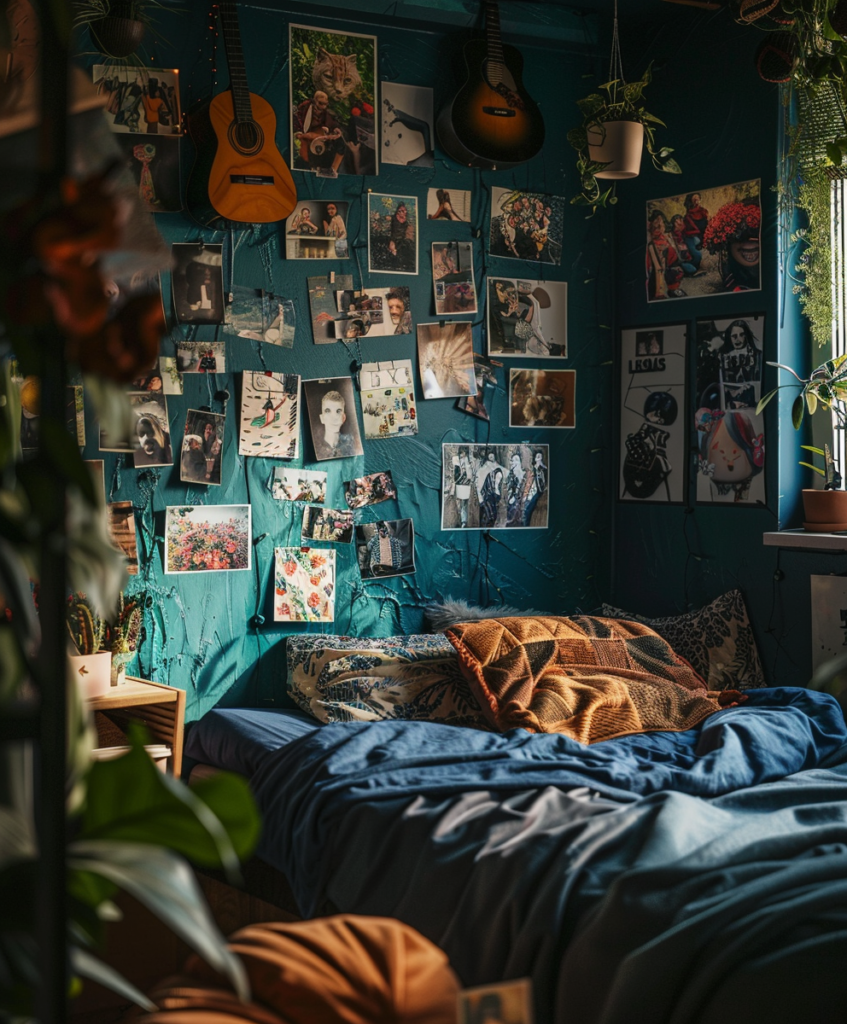
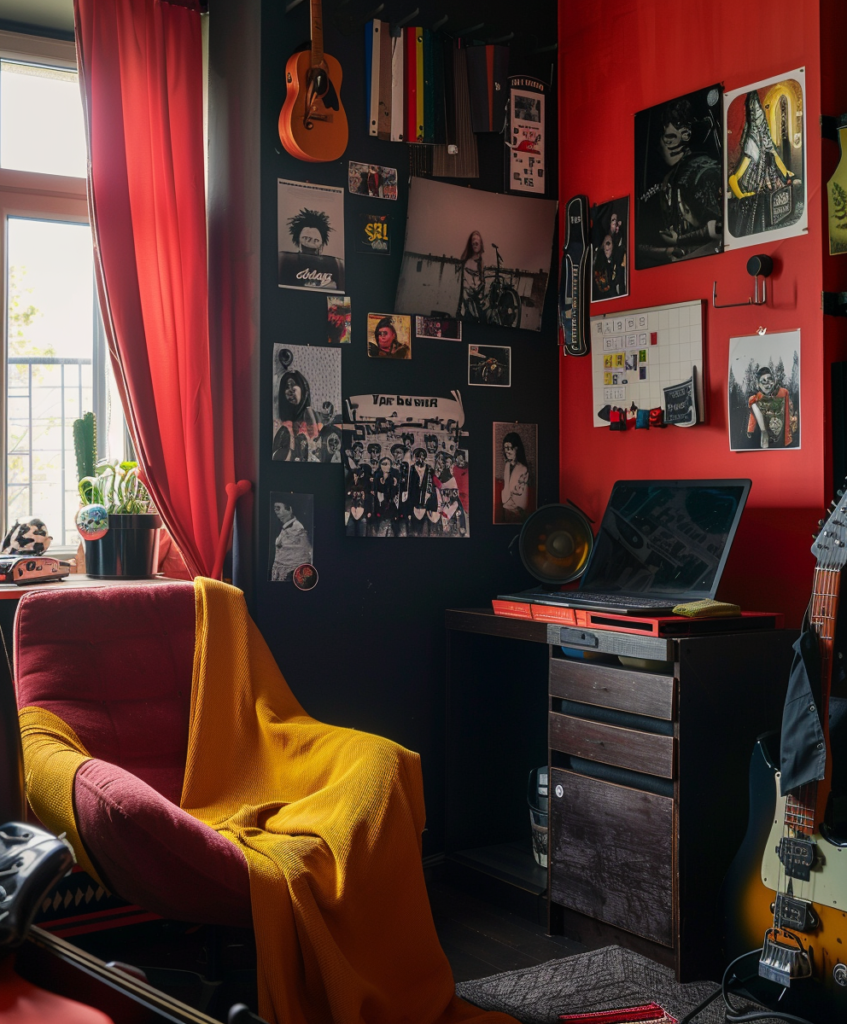
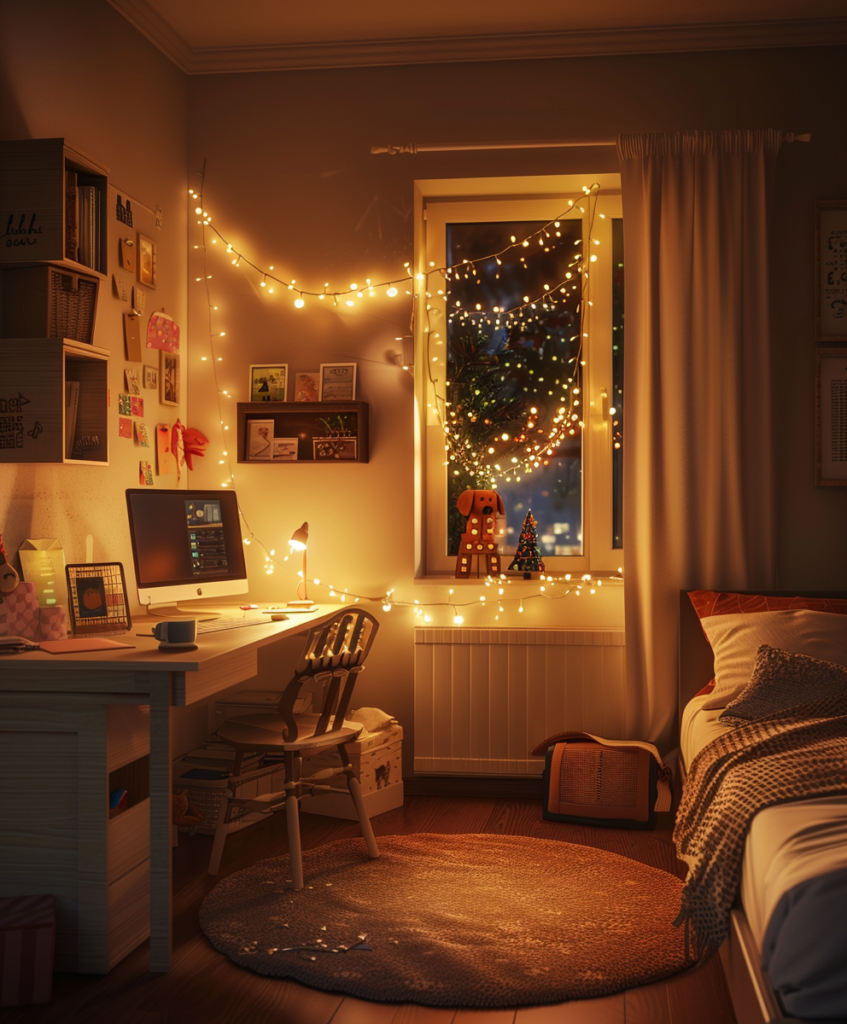
Teenagers often have very clear ideas about how their room should look. Here, it is important to involve the child in the choice of color. Whether bold colors, dark tones, or a combination of different nuances – the room should reflect the teenager's personality and interests. Accent walls, photo walls, and personal decorations can help make the space unique and individual.
Accent Colors and Patterns: Adding Exciting Details
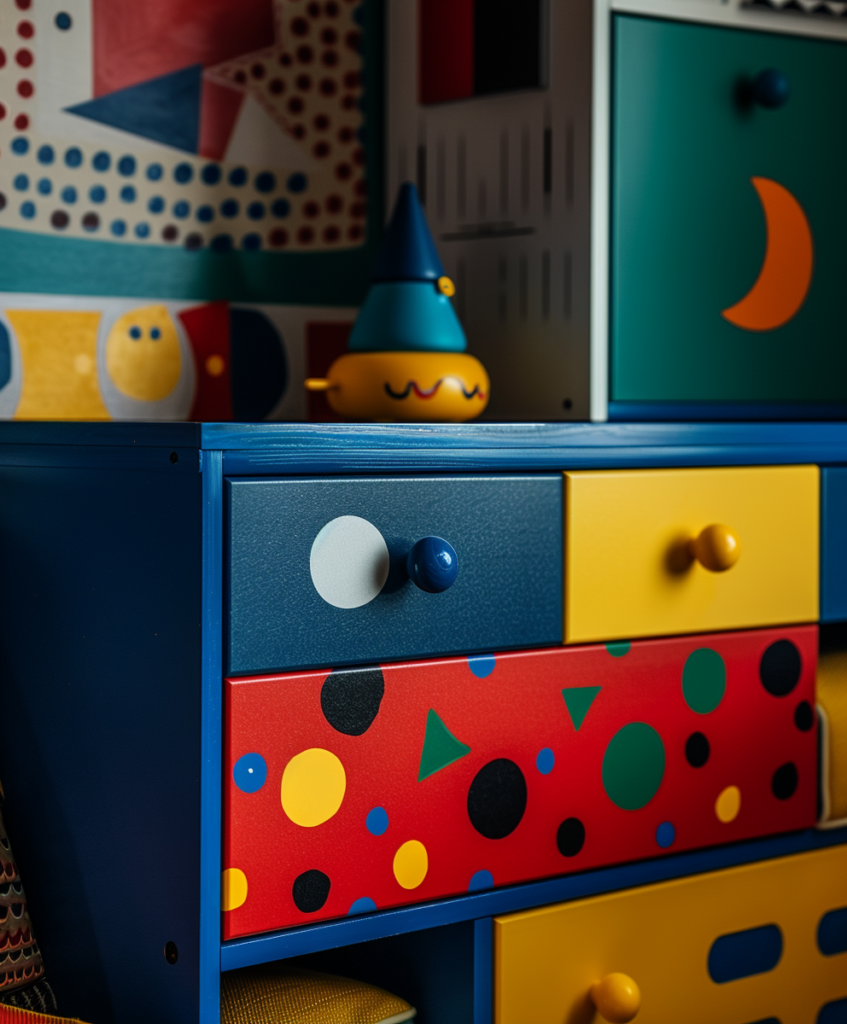
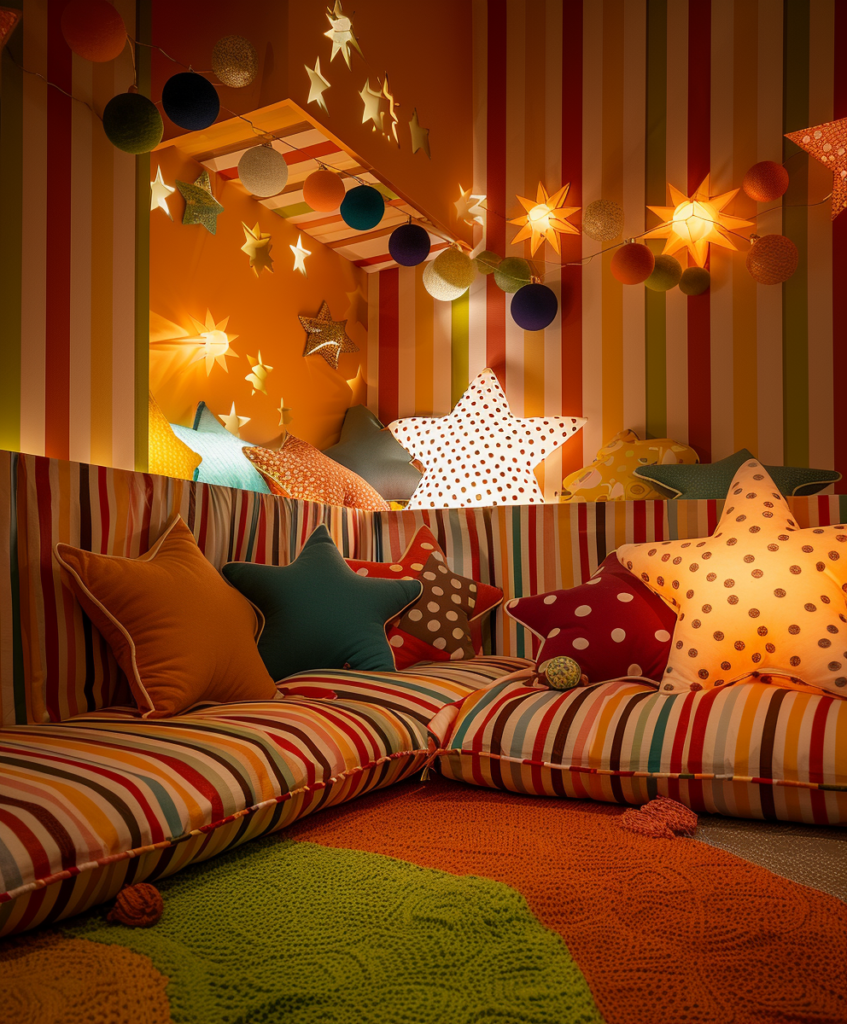
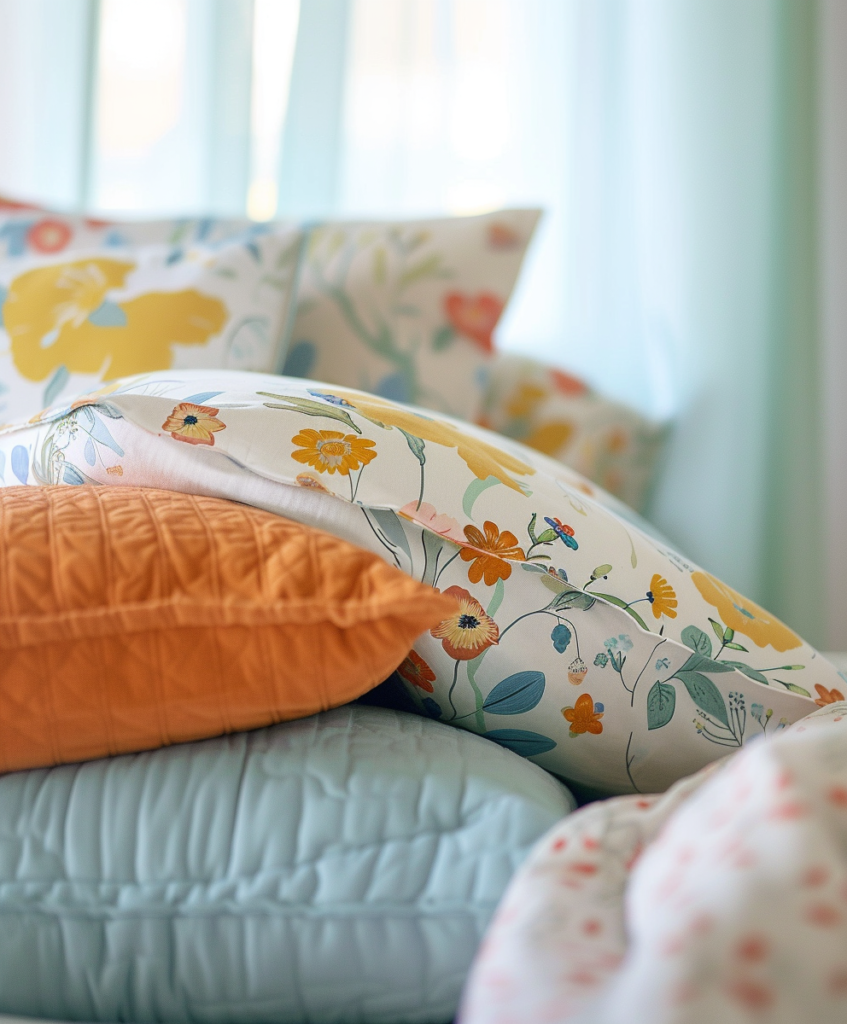
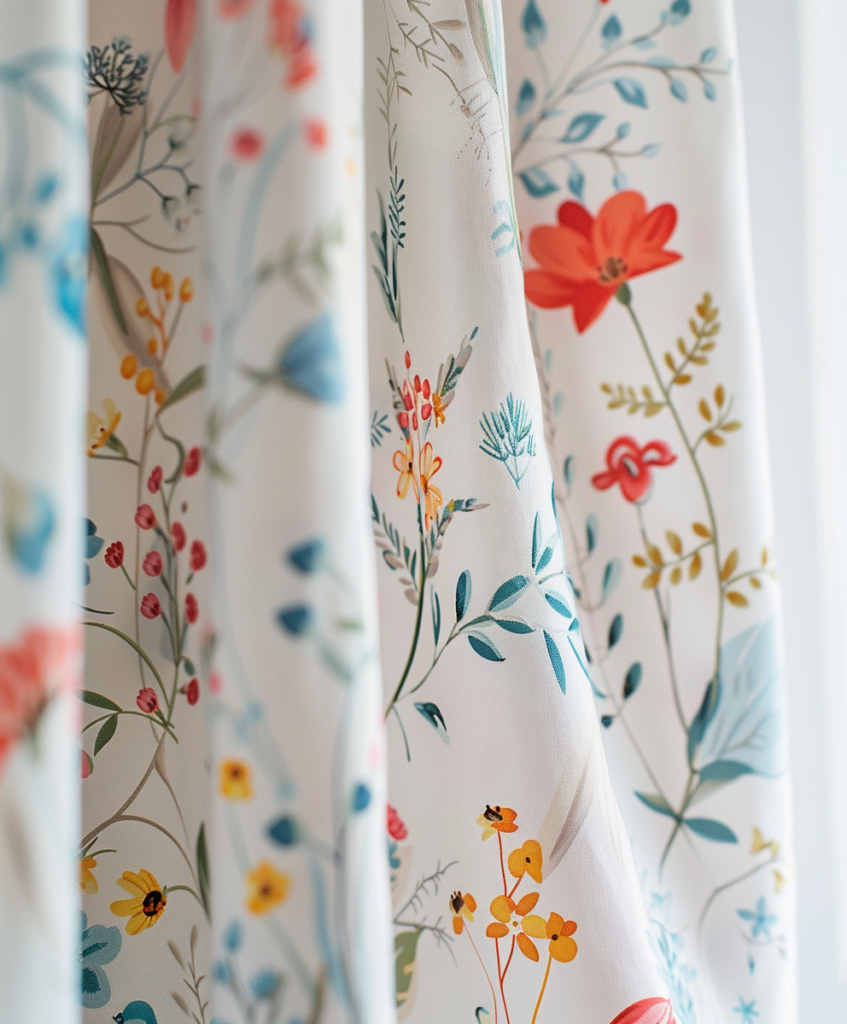
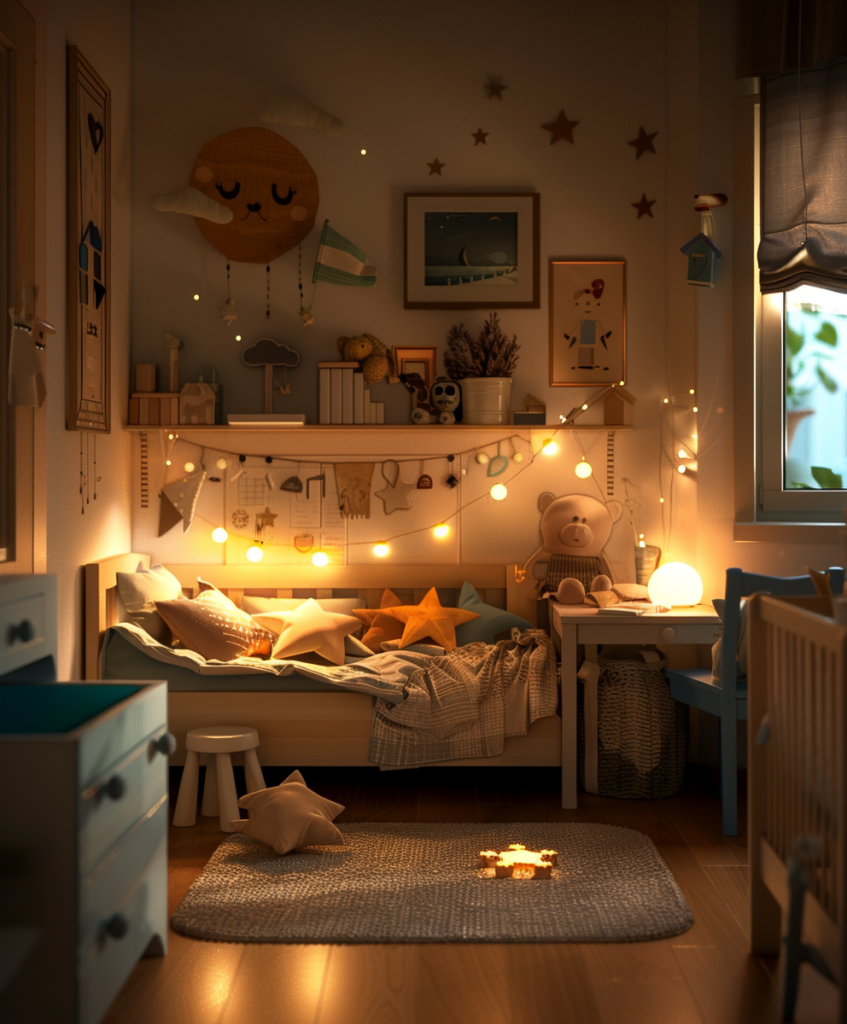
Regardless of your child's age, accent colors and patterns can give the children's room a special touch. Stripes, dots, stars, or other patterns can liven up the walls and provide visual variety. Wallpapers with child-friendly motifs are also a great way to design the room.


Sustainable and Eco-Friendly Colors: Focus on Health
When designing the color scheme in the children's room, it is also important to pay attention to the health and environmental friendliness of the paints. Make sure to choose pollutant-free and eco-friendly paints that do not emit harmful fumes. Natural paints or paints with the Blue Angel seal are a good choice here.
Changing Colors According to the Seasons: Fresh Ideas All Year Round
Why not redesign the children's room according to the season? In spring, bright, floral colors like yellow and pink can be used; in summer, fresh, maritime tones like blue and white; in autumn, warm earth tones; and in winter, cool colors like silver and blue. This brings not only variety but also joy and excitement into everyday life.

Lighting and Colors: A Harmonious Interaction
The right lighting plays a major role in the color design of the children's room. Make sure that the chosen colors look good in both daylight and artificial light. Warm lights can create a cozy atmosphere, while bright, white lights make the colors appear clear and vibrant.

Designing Walls: More Than Just Color
In addition to the choice of color, wall designs such as wall decals, picture frames, or self-painted artworks can enhance the children's room. These can be color-coordinated and round off the overall picture. Let your creativity run wild and turn the walls into an individual work of art.
FAQs
How do I choose the right color for the children's room? Start with your child's preferences and consider the room size and lighting. Soft colors are suitable for quiet areas, while bold colors can set playful accents.
Are bold colors suitable for children's rooms? Yes, bold colors can create an energetic and cheerful atmosphere. It is important to use them in a balanced way to avoid overstimulation.
Which colors promote concentration in the children's room? Blue and green are known to promote concentration and have a calming effect. These colors are well-suited for study areas.
How can I design a gender-neutral children's room? Use neutral colors like gray, beige, or white and set accents with decorations and accessories that can be easily exchanged.
Which colors are best for a baby room? Soft pastel colors like baby blue, delicate pink, mint green, or yellow create a calming and inviting atmosphere for newborns.
Should I involve my child in the color choice for the room? Yes, especially older children and teenagers should be involved in the color choice to ensure they feel comfortable and expressive in their space.
Conclusion
Color design in the children's room is a wonderful way to express creativity and personality. With the right colors and thoughtful design, you can create an environment that is not only beautiful to look at but also functional and conducive to your child's well-being. Whether you are designing a baby room, a toddler room, a room for school children, or a teenager's room – let your imagination run wild and create a space that supports your child's development and dreams.
Colors bring life into your children's room. You can find more color inspiration in the color design in the living room. The color design in the bedroom also offers great ideas. For a harmonious kitchen design, I recommend the color design in the kitchen.

- Creative Color Schemes in the Kitchen: Ideas for Different Styles and Moods - 5. February 2026
- Scandinavian Hallway Decor: Minimalist Interior Design Tips - 5. February 2026
- Minimalist Hallway Decor: 7 Simple Ideas for Your Entryway - 5. February 2026
0 Comments