A small living room doesn’t have to be an obstacle to stylish living. On the contrary: compact rooms often radiate a special kind of coziness. However, when the walls feel like they are closing in, it’s time for some optical illusions. In our category Small Spaces & Space Optimization, we’ll show you how to get the most out of your square footage with a few targeted adjustments.
Here are 10 sophisticated strategies to visually enlarge your living room.

The Psychology of Color: Light Shades and Monochromy
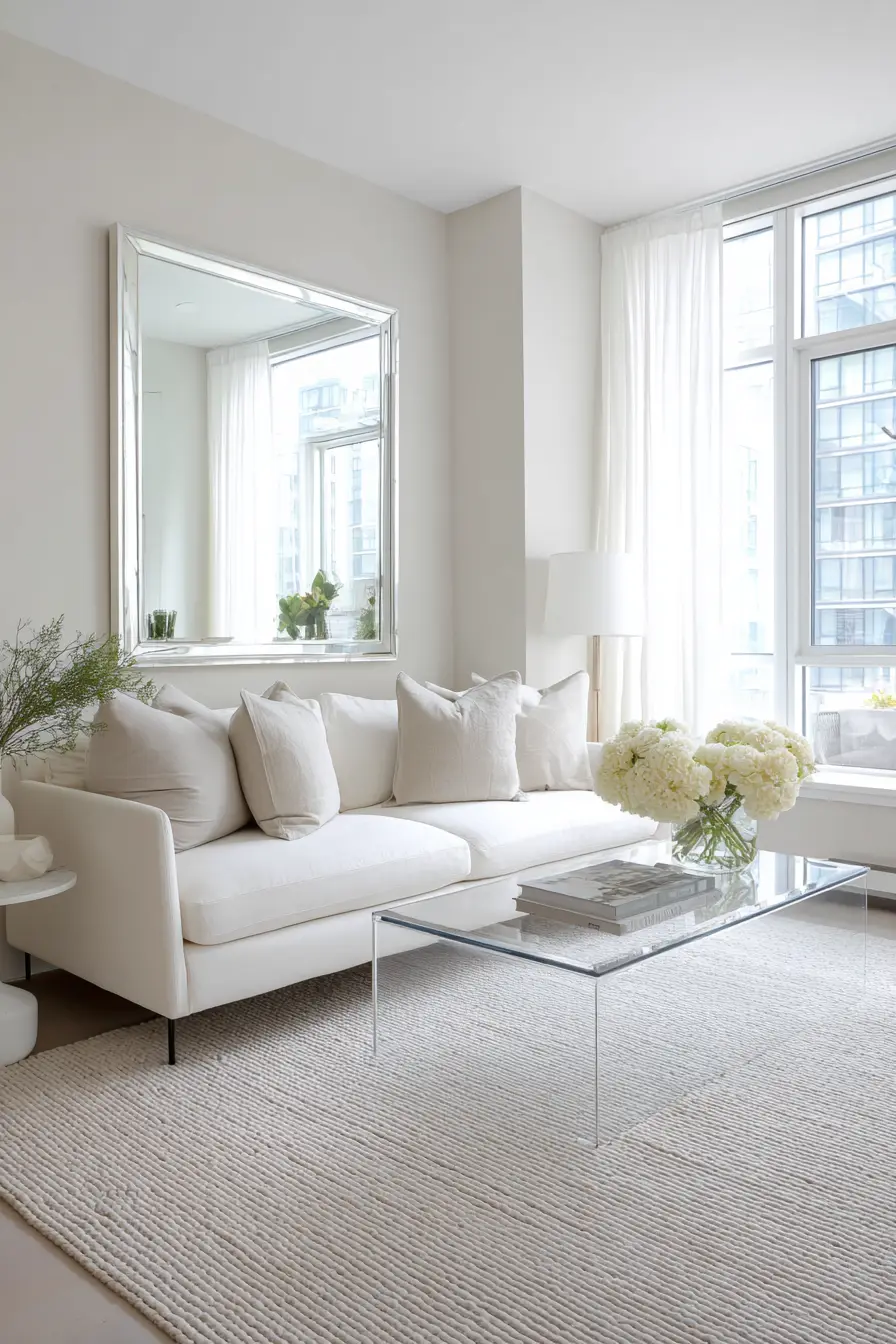
It’s no secret that white expands rooms. But it doesn’t always have to be a sterile "snow white." Cool tones such as light blue-grey, soft sage, or powdery shades visually recede, making the walls appear further away. The pro trick: Paint the walls, baseboards, and even radiators in the exact same shade. This monochromy eliminates harsh contrasts that stop the eye, allowing the room to flow.

Let the Flooring Flow
Nothing compresses a room more than fragmented flooring or too many different rugs. To generate a sense of vastness, you should opt for large-format planks or tiles. Tip: If you use rugs, choose a model large enough for all the legs of a seating group to fit on it. A rug that is too small acts like an "island" and makes the rest of the floor appear fragmented.

Courage to Leave Gaps: Furniture on Legs
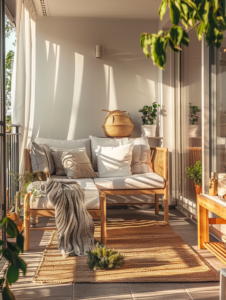
Bulky sofas that sit directly on the floor act like massive blockades. Instead, opt for furniture with slender legs. Being able to see the floor beneath the sofa or sideboard suggests more free space to the brain.
Key takeaway: The more floor area is visible, the larger the room appears.
Utilize the Vertical Axis
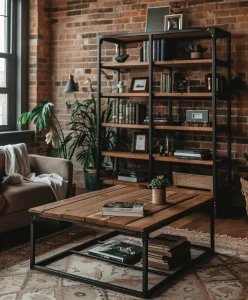
When floor space is limited, we have to think upwards. High shelves that reach nearly to the ceiling draw the eye upward and emphasize the room's height.
- Curtain Hack: Hang your curtain rods directly under the ceiling, not just above the window frame. The fabric should reach all the way to the floor. This visually stretches the room by those crucial extra inches.

Mirrors as "Window Substitutes"
Mirrors are the oldest and most effective tool in interior design. They don't just reflect light; they visually double the space.
- Placement: Hang a large mirror opposite a window. It catches the natural light and reflects the view, creating the illusion of an additional opening in the wall.

Transparency through Glass and Acrylic
Furniture made of glass, acrylic, or transparent polycarbonate (like the famous "Ghost Chair") is a blessing for small living rooms. Since they don't block the eye, they take up no visual space while providing the full functionality of a table or chair.
Multifunctionality is Key
In small rooms, every piece of furniture must earn its place. A coffee table should offer storage space, and a stool should serve as additional seating or a side table. Modular Systems: Use nesting tables that can be tucked into each other to free up walking space when needed.

Layered Lighting: Light Islands instead of Floodlights
A single bright ceiling light makes a room look flat and emphasizes the corners. Instead, rely on indirect light. Combine floor lamps, table lamps, and wall spots. Specifically illuminate dark corners. These different light levels create depth and structure.
Less is More: Statement Pieces over Clutter
A common mistake in small living rooms is decorating with many small objects. This quickly looks restless and "cluttered."
- The 60-30-10 Rule for Decor: Choose one large, striking piece of art for the wall instead of a gallery of ten small frames. Paradoxically, one large sofa can work better than many small armchairs because it calms the room.

Create Free Space (Floating)
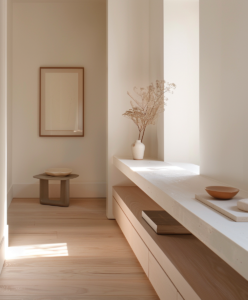
It is a reflex to push all furniture directly against the wall. However, this emphasizes the tightness of the layout. Try moving the sofa just a few inches away from the wall or using a shelf as an airy room divider. These "breathing spaces" between furniture and walls create a sense of luxurious generosity.

FAQ: Frequently Asked Questions about Small Living Rooms
Can I use dark colors in a small living room?
Yes, but with caution. A dark blue or anthracite accent wall can create depth (the "infinity effect"). However, the rest of the room should then remain bright and well-lit.
Which sofa is best for limited space?
Sofas with low backrests and narrow armrests are ideal. A corner sofa can save space in a corner, while a freestanding two-seater on high legs guarantees more airiness.
How large should a rug be in a small living room?
It's better to choose one size larger. It should visually hold the seating group together. A rug that is too small makes the room look "pieced together."

- Creative Color Schemes in the Kitchen: Ideas for Different Styles and Moods - 5. February 2026
- Scandinavian Hallway Decor: Minimalist Interior Design Tips - 5. February 2026
- Minimalist Hallway Decor: 7 Simple Ideas for Your Entryway - 5. February 2026

0 Comments